Wondering how to take care of your senior dog? The answer is simple: with lots of love and some smart adjustments to their routine! As your furry friend gets older, you'll notice changes - maybe they're moving a bit slower or getting those adorable gray hairs around their muzzle. But here's the good news: with proper senior dog care, your pup can enjoy their golden years comfortably and happily.I remember when my Labrador Max started showing signs of aging - at first I worried, but then I learned that small changes make a huge difference. From choosing the right orthopedic bed to adjusting exercise routines, caring for senior dogs isn't complicated when you know what to look for. The key is being proactive rather than reactive - that's how we've kept Max thriving at 12 years young!In this guide, we'll walk through everything you need to know about senior dog care, from vet checkups to home modifications. Whether your dog just entered their senior years or has been there awhile, these tips will help you give them the best quality of life possible. After all, they've given us their best years - now it's our turn to return the favor!
E.g. :Foster a Pet This Holiday Season: The Ultimate Gift for Shelter Animals
- 1、Understanding Your Senior Dog's Needs
- 2、Keeping Your Senior Dog Active and Healthy
- 3、Creating a Comfortable Environment
- 4、Mobility Assistance and Daily Care
- 5、Special Considerations for Senior Dogs
- 6、Enjoying the Golden Years Together
- 7、Nutritional Needs for Senior Dogs
- 8、Behavioral Changes in Senior Dogs
- 9、Dental Care for Senior Dogs
- 10、Alternative Therapies for Senior Dogs
- 11、Traveling With Senior Dogs
- 12、Celebrating Your Senior Dog's Life
- 13、FAQs
Understanding Your Senior Dog's Needs
When Does a Dog Become "Senior"?
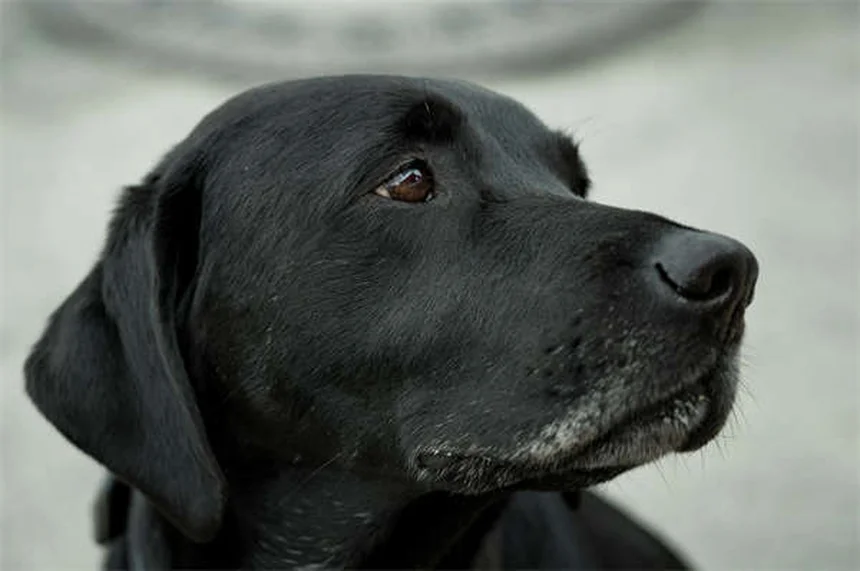
You know that moment when you look at your pup and suddenly notice those cute gray hairs around their muzzle? That's nature's way of telling you your best friend is entering their golden years. But here's something interesting - did you know smaller breeds often age slower than larger ones? Check out this comparison:
| Dog Size | Senior Age Threshold |
|---|---|
| Small (under 20 lbs) | 10-12 years |
| Medium (20-50 lbs) | 8-9 years |
| Large (50+ lbs) | 6-7 years |
I remember when my Labrador Max turned seven - suddenly he wasn't jumping for his tennis ball with the same enthusiasm. That's when I realized we needed to make some changes to keep him happy and healthy. The key is observing your dog's behavior rather than just counting candles on their birthday cake.
Keeping Your Senior Dog Active and Healthy
Exercise: The Fountain of Youth for Dogs
"If you don't move it, you lose it" - that's what Dr. Sarah Wooten, our favorite Colorado vet, always says. And she's absolutely right! Muscle mass is crucial for your senior dog's metabolism and overall health. Here's what we've learned:
When Max started slowing down, I initially thought "well, he's just getting old." But then Dr. Wooten explained something that changed everything: Slowing down isn't normal aging - it's often a sign of untreated pain. That's when we invested in a simple activity monitor for his collar (the FitBark is awesome) and adjusted his routine to include more swimming - easier on his joints but still great exercise!
 Photos provided by pixabay
Veterinary Care: More Than Just Annual Shots
Now here's a question you might not have considered: When was the last time your senior dog had blood work done? Many pet parents don't realize how crucial this is. Dr. Justine Lee recommends yearly blood tests to check:
- White and red blood cell counts
- Kidney and liver function
- Thyroid levels
We made this a priority for Max, and guess what? The tests caught early kidney issues that we could manage with diet changes. Early detection is everything when it comes to senior dog care!
Creating a Comfortable Environment
Bedding: More Than Just a Place to Sleep
Let me tell you about the best $200 I ever spent - Max's orthopedic bed from Big Barker. You wouldn't believe the difference it made! Here's why proper bedding matters:
Senior dogs often struggle with arthritis and joint pain. A good orthopedic bed provides support where they need it most. For colder months, we added a heated pad (the K&H Pet Products one is fantastic) that warms to his body temperature. The first morning after we got it, Max slept until 9 AM - unheard of for our early riser!
Home Modifications: Small Changes, Big Impact
Have you ever watched your senior dog struggle on hardwood floors? It's heartbreaking. That's why we made these simple changes:
- Added non-slip rugs in high-traffic areas
- Installed a ramp for car access (the PetSafe Happy Ride is our favorite)
- Put nightlights near his water bowls
Here's something funny - the nightlights helped me as much as they helped Max! No more stubbed toes during midnight bathroom trips. Simple solutions often make the biggest difference.
Mobility Assistance and Daily Care
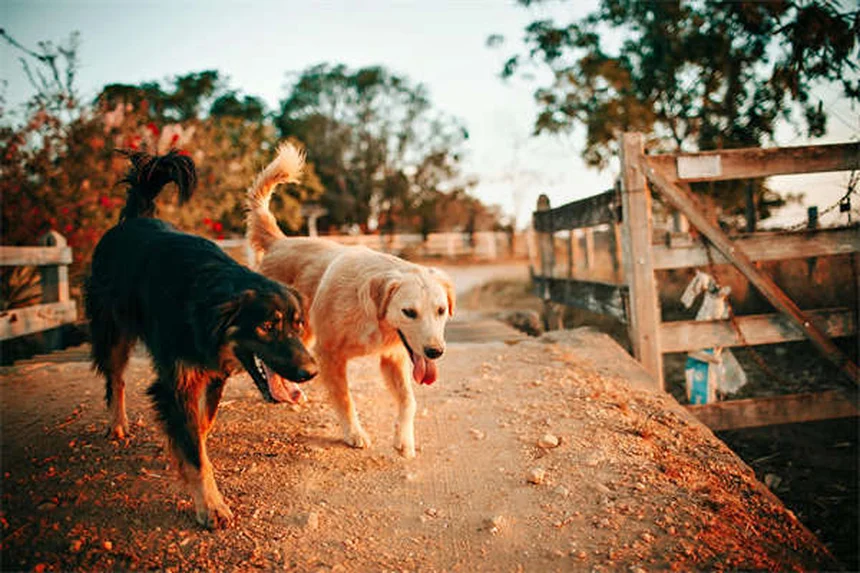 Photos provided by pixabay
Veterinary Care: More Than Just Annual Shots
When Max started having trouble with stairs, we discovered the magic of support slings. These harnesses with handles let you gently assist your dog without straining their body - or yours! We use the Ruffwear Web Master harness, which has been a game-changer for our mountain hikes.
Here's a pro tip: Introduce any mobility aid gradually. We started by just having Max wear the harness around the house, then progressed to short assisted walks. Now he gets excited when he sees it - he knows it means adventure time!
Feeding Solutions for Senior Dogs
Ever notice your senior dog struggling to bend down to eat? That's where elevated bowls come in. We switched to an adjustable stand (the Neater Feeder is great) and saw immediate improvement in Max's posture and comfort.
And here's another question you might not have considered: Is your dog forgetting where their water bowl is? As vision fades, multiple water stations with nightlights can help. We placed bowls in three locations and saw Max's hydration improve dramatically.
Special Considerations for Senior Dogs
Mental Stimulation: Keeping the Mind Sharp
Physical health is crucial, but don't forget about mental exercise! We rotate Max's puzzle toys weekly to keep him engaged. The Nina Ottosson games are fantastic - watching him "solve" them is better than TV!
Here's a fun fact: Teaching old dogs new tricks isn't just possible - it's beneficial! At age 10, Max learned to "high five," and the mental workout seemed to give him a new lease on life. Never underestimate the power of mental stimulation for senior dogs.
 Photos provided by pixabay
Veterinary Care: More Than Just Annual Shots
As Max's vet explained, senior dogs often need fewer calories but more specific nutrients. We switched to a senior formula with joint supplements and added some fresh veggies (he goes crazy for steamed green beans). The change in his energy levels was remarkable!
Remember, every dog is different. What works for Max might not work for your pup. The key is observing, adjusting, and working closely with your vet to find the perfect balance for your senior companion.
Enjoying the Golden Years Together
Quality Time: The Most Important Care of All
At the end of the day, the best senior dog care comes down to one thing: being present. Whether it's extra cuddle time, gentle grooming sessions, or just sitting together in the sunshine, these moments matter most.
I'll never forget the day Max turned 12 - we celebrated with a "pupcake" and a slow walk to his favorite sniffing spots. Senior dogs might move slower, but they love just as deeply - maybe even more so. After all these years together, every gray hair tells a story of our adventures.
Planning for the Future
While we focus on keeping our seniors happy and healthy today, it's also wise to think ahead. We've created a "senior dog care kit" that includes:
- Emergency vet contacts
- A list of medications
- Comfort items for stressful situations
Preparing doesn't mean worrying - it means being ready to provide the best care possible, whatever comes our way. Because our senior dogs have given us their best years; now it's our turn to return the favor.
Nutritional Needs for Senior Dogs
Protein Requirements: More Than Just Kibble
You might be surprised to learn that senior dogs often need higher quality protein rather than less protein. As dogs age, their bodies become less efficient at processing nutrients. That's why switching to easily digestible protein sources like chicken, fish, or eggs can make a world of difference.
I'll never forget when my vet explained this to me - I'd been feeding Max "senior formula" dog food thinking it was best, but it turned out he needed more animal-based protein. After switching to a premium brand with real meat as the first ingredient, his coat became shinier and he had more energy for our evening walks. The transformation was incredible!
Hydration: The Overlooked Essential
Did you know that older dogs are more prone to dehydration? Their sense of thirst diminishes with age, just like in humans. That's why I started adding low-sodium chicken broth to Max's water bowl - it encourages him to drink more throughout the day.
Here's a clever trick we learned: Place multiple water bowls around your house, especially near your dog's favorite resting spots. We have three bowls for Max - by his bed, near the back door, and next to the couch where he likes to nap. This simple change has helped prevent urinary tract infections and keeps him properly hydrated.
Behavioral Changes in Senior Dogs
Separation Anxiety: When Your Shadow Sticks Closer
Many senior dogs develop new anxieties or clinginess as they age. Max suddenly started following me from room to room - something he never did in his younger years. Our trainer explained this is common as dogs' senses decline; they seek comfort in staying close to their humans.
We found that leaving an old t-shirt with my scent in Max's bed helped when I needed to leave the house. Pheromone diffusers (we use Adaptil) also worked wonders for his nighttime restlessness. The key is being patient and understanding - these behaviors stem from genuine need, not stubbornness.
Sleep Pattern Changes: More Naps, Less Nighttime Activity
Just like human seniors, older dogs tend to sleep more during the day and may become restless at night. We noticed Max was waking up frequently around 2 AM, pacing around the bedroom. Our solution? Adding an extra walk right before bedtime and keeping the room slightly cooler.
Here's an interesting fact: Dogs experience sleep cycle changes similar to humans as they age. That's why creating a consistent bedtime routine is so important. We do a short walk, gentle brushing, then quiet time with soft music. Within two weeks, Max was sleeping through the night again!
Dental Care for Senior Dogs
The Hidden Dangers of Dental Disease
You wouldn't believe how many health problems can stem from poor dental hygiene in senior dogs! When Max had his first professional cleaning at age 9, the vet found two infected teeth that were likely causing him chronic pain. After extraction, his whole demeanor brightened.
Now we brush Max's teeth every other day using enzymatic toothpaste (he actually loves the poultry flavor). We also give him dental chews approved by the Veterinary Oral Health Council. Preventive care is far easier (and cheaper) than treating advanced dental disease down the road!
Signs Your Dog Needs Dental Attention
How can you tell if your senior dog has dental issues? Watch for these subtle signs we learned to recognize:
- Preferring soft food over kibble suddenly
- Pawing at the mouth
- Bad breath that won't go away
- Dropping food while eating
I wish I'd known these signs earlier - Max had been showing several of them for months before we realized the problem. Regular dental checkups should be part of every senior dog's healthcare routine, just like annual vaccines.
Alternative Therapies for Senior Dogs
Canine Massage: More Than Just Pampering
When Max started showing stiffness in his hind legs, our vet recommended therapeutic massage. At first I thought it was just a luxury, but after seeing the results, I became a believer! Certified canine massage therapists can identify tense muscles and improve circulation.
We found a wonderful therapist who taught me simple techniques to use at home. Now our evening routine includes gentle massage while we watch TV together. The bonding time is priceless, and it's helped maintain Max's mobility far longer than we expected.
Acupuncture for Pain Management
Here's something you might find surprising: Many veterinary clinics now offer acupuncture for senior dogs with arthritis or other chronic conditions. After traditional pain medications upset Max's stomach, we tried acupuncture as an alternative.
The results were remarkable - within six sessions, Max was moving more freely and seemed more comfortable overall. While it doesn't work for every dog, it's certainly worth discussing with your vet if your senior is struggling with mobility issues. Sometimes the best solutions come from combining traditional and alternative approaches.
Traveling With Senior Dogs
Car Safety: Adapting to Changing Needs
Remember when your dog could jump effortlessly into the car? Those days may be gone, but with some adjustments, car trips can still be enjoyable. We installed a folding ramp and got Max a comfortable car harness (the Sleepypod Clickit Sport is crash-tested and senior-dog approved).
Here's a pro tip: Keep a travel kit in your car with essentials like water, medication, pee pads, and familiar-smelling blankets. We also bring portable steps for visiting friends' houses. Preparation prevents stress for both you and your aging companion.
Managing Anxiety During Travel
Many senior dogs develop travel anxiety they never had before. If your dog pants excessively or trembles in the car, try these solutions that worked for us:
- Short practice drives to fun destinations
- Calming supplements before trips (we use Zylkène)
- Covering the crate with a light blanket
- Playing soft classical music
The key is making every car trip positive. We always end at the dog park or a favorite walking trail. Now Max associates car rides with happy experiences instead of vet visits!
Celebrating Your Senior Dog's Life
Creating Lasting Memories
As our dogs enter their golden years, it becomes even more important to cherish every moment. We started a "memory jar" where we drop notes about special days with Max - the time he chased butterflies in the spring, or how he still wags his tail when he smells bacon cooking.
You might also consider professional photoshoots or creating a paw print keepsake. These mementos become priceless treasures. Our senior dogs give us a lifetime of love - capturing these final chapters honors that incredible bond.
Adapting Your Expectations
One of the hardest but most important lessons I've learned is adjusting what "a good day" looks like for an aging dog. Where we once measured happiness by long hikes and energetic play, now we find joy in slower moments - sunshine naps, gentle pets, and quiet companionship.
Max may not fetch like he used to, but he still lights up when I grab his leash. Our adventures have changed, but the connection remains as strong as ever. That's the beautiful thing about senior dogs - they teach us to appreciate the simple joys in life.
E.g. :Caring for a Senior Dog: Keeping Your Pet Healthy and Happy
FAQs
Q: When is a dog considered senior?
A: The age when a dog becomes "senior" actually depends on their size! Here's the breakdown: small dogs (under 20 lbs) typically become seniors around 10-12 years, medium dogs (20-50 lbs) at 8-9 years, and large breeds (50+ lbs) as early as 6-7 years. But remember, these are just guidelines - your dog might show signs earlier or later. I noticed my Lab Max slowing down around 7, which seemed young until our vet explained that larger breeds age faster. The best indicator is your dog's behavior and health rather than just their age.
Q: How much exercise does a senior dog need?
A: Senior dogs still need regular exercise, but the type and intensity should change. Our vet Dr. Wooten recommends keeping activities low-impact - swimming and short walks are perfect. We aim for two 20-minute walks daily with Max, plus some gentle playtime. The key is consistency and watching for signs of fatigue. Pro tip: An activity monitor (we use FitBark) helps track if your dog's getting enough movement. Remember, "slowing down" isn't normal aging - it often signals pain that needs veterinary attention.
Q: What's the best bed for a senior dog with arthritis?
A: After trying several options, we swear by the Big Barker orthopedic bed - it's been life-changing for Max's arthritis! The 7-inch foam provides perfect support for achy joints. For cold nights, we add the K&H Pet Products heated pad that safely warms to body temperature. Quality sleep is crucial for senior dogs - since getting his orthopedic bed, Max sleeps more soundly and moves more easily in the mornings. Just make sure any heated products are specifically designed for pets and have safety certifications.
Q: How often should a senior dog see the vet?
A: Most vets recommend senior dogs have checkups every 6 months instead of annually. We take Max twice yearly for complete exams plus annual blood work to monitor his kidney, liver, and thyroid function. Early detection is everything - these tests caught Max's early kidney issues, allowing us to adjust his diet before problems became serious. Don't skip dental cleanings either - dental disease can lead to other health issues in older dogs. Think of these visits as preventive maintenance for your best friend!
Q: What home modifications help senior dogs?
A: Simple changes make a world of difference! We added non-slip rugs on our hardwood floors, installed a PetSafe ramp for car access, and placed nightlights near Max's water bowls. Other helpful modifications include raised food bowls (easier on their necks) and baby gates to block stairs. The goal is to reduce strain and prevent accidents - we even moved Max's bed to the main floor to avoid staircase use. Start with one or two changes and observe what helps your dog most. Every senior pup has different needs!