Want to know the dog grooming secrets that'll make your groomer love you? Here's the truth: your role doesn't end when you drop off your pup. As a professional groomer with 10 years experience, I can tell you that cooperative owners make ALL the difference in creating stress-free grooming experiences. The good news? With these 6 simple tricks, you can transform grooming day from a battle to a spa-like retreat for your dog. From nail care to seasonal coat maintenance, we'll cover exactly what your groomer wishes every pet parent knew. Trust me, your groomer will thank you - and your dog will be happier too!
E.g. :5 Best Ways to Exercise Your Dog in the City (Even With a Busy Schedule)
- 1、Why Your Groomer Loves These 6 Simple Tricks
- 2、Nail Care: More Important Than You Think
- 3、Ear Care: The Overlooked Essential
- 4、The Secret to Stress-Free Grooming Visits
- 5、Seasonal Grooming Needs You Might Miss
- 6、Special Considerations for Senior Dogs
- 7、The Hidden Benefits of Professional Grooming
- 8、Grooming Tools Worth Investing In
- 9、Nutrition's Role in Coat Health
- 10、Grooming as Bonding Time
- 11、When to Break the Rules
- 12、FAQs
Why Your Groomer Loves These 6 Simple Tricks
Let me tell you something funny - groomers have this secret wish list they'd love to share with every dog owner. You might think dropping off your pup means your job is done, but trust me, there's so much more we can do together to make grooming day awesome!
The Magic of Regular Brushing
Picture this: You skip brushing for weeks, then expect your groomer to work miracles on that tangled mess. Here's the truth - we can absolutely help, but regular home care makes all the difference!
I've seen dogs transform from grooming nightmares to salon superstars when owners commit to simple weekly brushing. It's not just about looks - proper brushing distributes natural oils, prevents painful mats, and gives you quality bonding time. Pro tip: Use the right brush for your dog's coat type. That cheap plastic brush from the dollar store? Probably doing more harm than good!
Bath Time Shouldn't Be Battle Time
Why do so many dogs act like bath time is torture? Often because we make these common mistakes:
| What You Might Do | What Works Better |
|---|---|
| Monthly marathon baths | Short, positive weekly sessions |
| Using human shampoo | pH-balanced dog formulas |
| Rushing through the process | Making it fun with treats and praise |
Remember that time you tried washing your dog in the kitchen sink? Yeah, we've all been there! The key is creating positive associations long before they hit the grooming salon.
Nail Care: More Important Than You Think
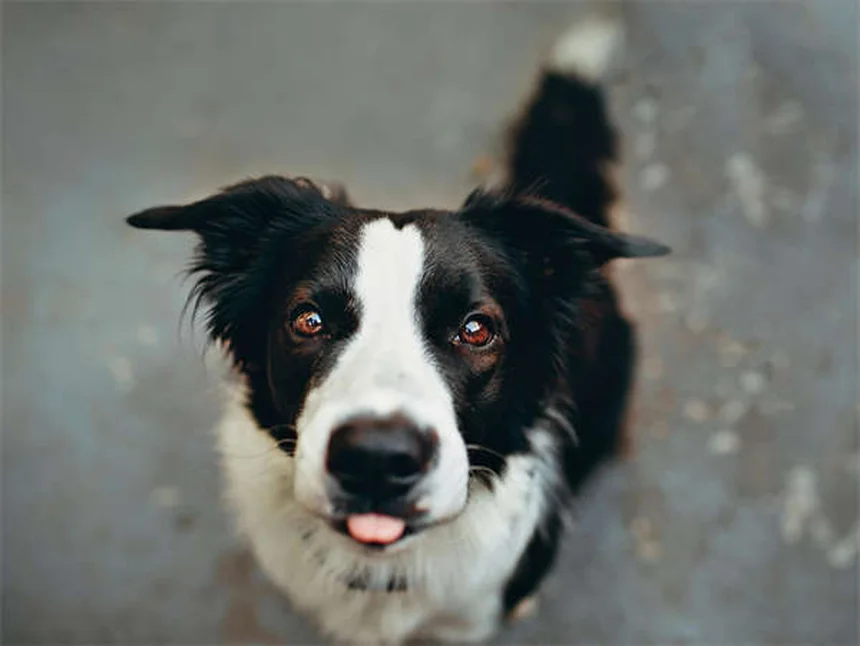
Those click-clack sounds on your hardwood floors? That's your dog telling you it's nail trim time! Overgrown nails can actually change how your dog walks and cause joint issues - something most owners don't realize until problems develop.
 Photos provided by pixabay
Making Nail Trims Less Scary
Ever wonder why some dogs panic at nail time while others barely notice? It's all about early positive experiences. Start handling your puppy's paws daily - make it part of cuddle time with gentle massage and treats.
If you're nervous about cutting the quick (that sensitive pink part), try this foolproof method: Trim tiny amounts frequently rather than waiting until nails are too long. Bonus: Use a nail grinder if your dog tolerates the vibration - it gives smoother edges and eliminates sharp points.
When to Call in the Pros
Some dogs need professional help with nails, and that's perfectly okay! Dark nails, squirming pups, or previous bad experiences might mean leaving it to us groomers. We've got the right tools, training, and - let's be honest - way more patience!
Here's a joke for you: Why did the dog refuse to get his nails done? He was afraid of getting a pawdicure! Okay, maybe that's why I'm a groomer and not a comedian...
Ear Care: The Overlooked Essential
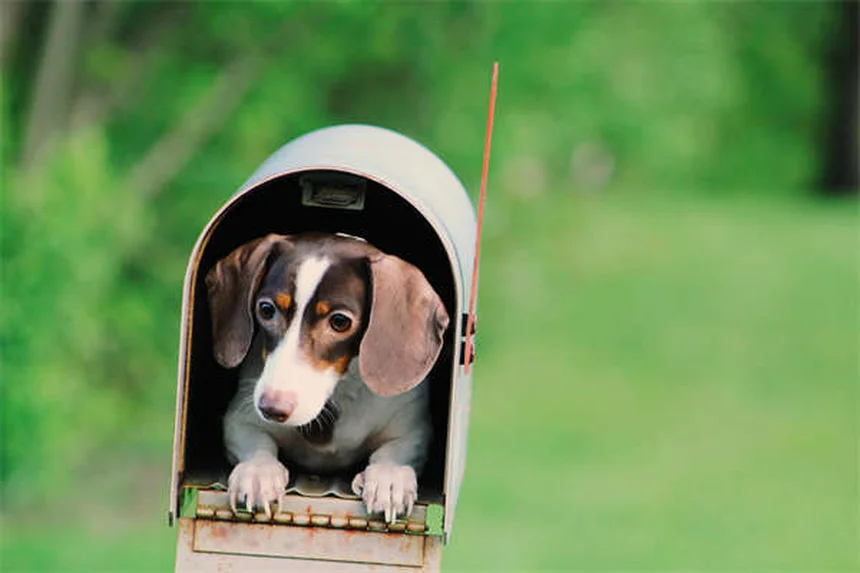
Did you know ear infections are one of the most common reasons dogs visit the vet? Regular ear maintenance at home can prevent so many problems, yet most owners only think about ears when there's already an issue.
Simple Weekly Ear Checks
Make ear inspection part of your routine - look for redness, odor, or excessive wax. For floppy-eared breeds, lift those ears weekly to air them out. A quick wipe with vet-approved cleaner (never use Q-tips!) keeps things fresh.
Fun fact: Some dogs actually enjoy ear cleaning once they associate it with extra attention and treats. Turn it into a relaxing massage session rather than a medical procedure!
 Photos provided by pixabay
Making Nail Trims Less Scary
If you notice your dog shaking his head constantly or scratching at his ears, don't wait - schedule a vet visit. We groomers can clean healthy ears, but we're not equipped to treat infections. Remember: Early intervention means simpler (and cheaper) treatment!
The Secret to Stress-Free Grooming Visits
Here's something your groomer wishes you knew: Your dog picks up on your energy. If you're anxious about leaving them, they'll be anxious too. Practice short separations at home to build confidence.
Pre-Visit Preparation Matters
A tired dog is a cooperative dog! Schedule a good walk before grooming appointments to burn off nervous energy. Bring their favorite toy or blanket for comfort - familiar smells work wonders.
Ever notice how some dogs strut into the salon like they own the place? Those are usually the ones whose owners made grooming visits fun from day one. Start young if possible, with quick "happy visits" just for treats and pets.
Communication Is Key
Tell us about your dog's personality, fears, and preferences. The more we know, the better we can customize their experience. Pro tip: If your dog has a particularly bad day, rescheduling might be better than forcing it. We want this to be positive for everyone!
Seasonal Grooming Needs You Might Miss
Different seasons bring different grooming challenges. That winter coat might look cozy, but come spring, it's a whole different story!
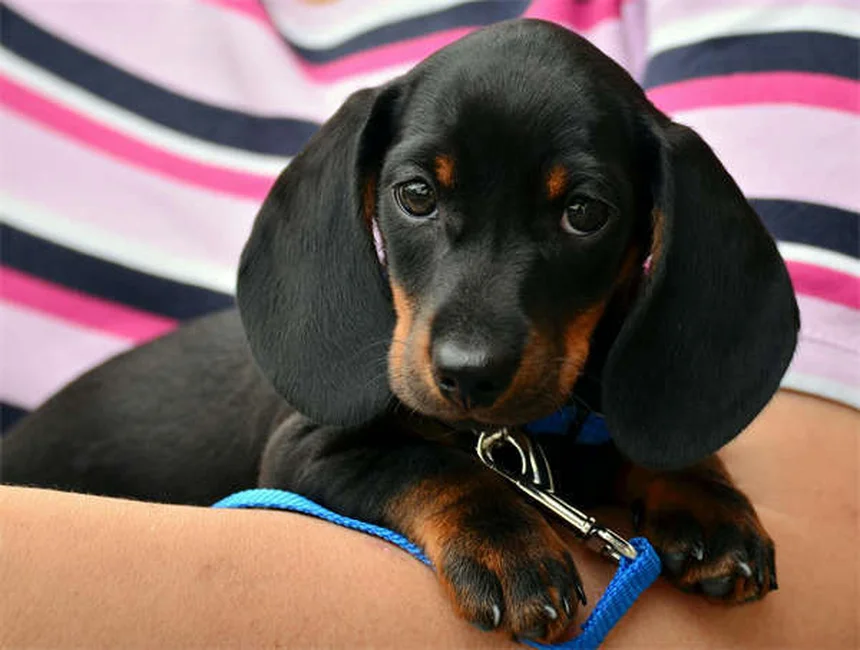 Photos provided by pixabay
Making Nail Trims Less Scary
Contrary to popular belief, shaving double-coated breeds isn't always the answer. Their coats actually provide insulation against heat. Focus instead on regular brushing to remove dead undercoat and ensure proper air circulation.
Paw protection becomes crucial in summer - hot pavement can cause serious burns. Try the "five-second test": If you can't comfortably hold your hand on the pavement for five seconds, it's too hot for paws!
Winter Wonderland Warnings
Snow and ice can form painful balls between paw pads. Keep hair trimmed short in these areas, and consider dog boots for extreme conditions. After walks, wipe paws to remove salt or de-icing chemicals that can cause irritation.
Here's a winter joke: Why don't dogs need mittens? Because they're already wearing pawjamas! Okay, I'll stop with the puns now...
Special Considerations for Senior Dogs
As dogs age, their grooming needs change too. What worked at age two might not be comfortable at age twelve. Being attuned to these changes makes all the difference in keeping your older dog happy and healthy.
Gentle Handling for Aging Joints
Arthritis makes standing for long periods painful. Ask your groomer for shorter sessions or breaks. At home, provide non-slip surfaces and consider raised grooming stations to reduce strain.
Did you know regular gentle brushing actually improves circulation and can relieve some arthritis discomfort? It's like a mini massage session that also keeps their coat healthy!
Special Skin and Coat Care
Older dogs often develop drier skin. Switch to moisturizing shampoos and reduce bathing frequency unless medically necessary. Important: Report any new lumps or skin changes to your vet promptly - early detection is crucial.
Remember, senior dogs might need more frequent but shorter grooming sessions. Their comfort should always come before perfection in appearance. After all, they've earned that silver muzzle through years of love!
The Hidden Benefits of Professional Grooming
You might think grooming is just about making your dog look cute, but let me tell you - it's like getting a full-body health checkup! We groomers often spot potential health issues before they become serious problems. That weird bump? The unusual skin patch? We notice these things during our thorough hands-on sessions.
Early Detection Saves Lives
Just last month, I found a small lump behind a golden retriever's ear that the owner hadn't noticed. Turned out to be a benign cyst, but catching it early meant simple removal. Here's the thing - we see hundreds of dogs, so we recognize when something looks "off."
During every groom, we check for abnormalities in skin, coat, ears, eyes, nails, and even teeth. It's like your dog gets a mini physical exam while getting prettied up! Fun fact: Many veterinarians actually recommend regular grooming as part of preventive healthcare.
The Mental Health Connection
Ever notice how your dog seems happier after grooming? It's not just about looking good - the process provides mental stimulation and sensory enrichment. The brushing, massaging, and handling all contribute to your dog's overall wellbeing.
For anxious dogs, regular grooming can actually help build confidence through positive, predictable experiences. I've watched shy dogs transform over time as they learn to trust the process. Consistency is key - the more routine it becomes, the more comfortable they get!
Grooming Tools Worth Investing In
That $5 brush from the big box store might seem like a bargain, but let's talk about why quality tools make a world of difference. Your dog's coat is as unique as their personality, and using the wrong tools can cause damage or discomfort.
Must-Have Brushes for Different Coats
Short-haired breeds need completely different tools than poodles or huskies. Here's a quick comparison of what works best:
| Coat Type | Best Brush | Why It Works |
|---|---|---|
| Short hair | Rubber curry brush | Gently removes loose hair without scratching skin |
| Long hair | Slicker brush + comb | Prevents mats by reaching deep into coat |
| Double coat | Undercoat rake | Removes dead undercoat without damaging topcoat |
Investing in the right brush means less frustration for you and more comfort for your pup. Pro tip: Ask your groomer to demonstrate proper brushing techniques during your next visit!
Bathing Equipment That Makes Life Easier
Ever tried bathing a squirmy dog in your regular tub? There's got to be a better way! A handheld showerhead with adjustable pressure can transform bath time from a struggle to a spa experience.
And here's something most owners don't think about - the power of proper drying tools. That old beach towel just isn't cutting it! Microfiber towels absorb water faster, and a force dryer (the kind groomers use) gets the job done quickly and thoroughly. Bonus: Many dogs actually enjoy the warm airflow once they get used to it.
Nutrition's Role in Coat Health
You can brush and bathe all you want, but if your dog's diet isn't supporting skin and coat health, you're fighting an uphill battle. What goes into your dog directly affects what comes out in their coat - literally!
Essential Nutrients for Shiny Coats
Omega-3 fatty acids are like magic for your dog's skin and coat. Found in fish oils and certain plants, these healthy fats reduce inflammation and promote that gorgeous shine we all love. But here's the catch - not all supplements are created equal.
Did you know that some cheaper dog foods actually strip natural oils from your dog's coat? Quality matters when it comes to nutrition. Look for foods with named protein sources (like "chicken" instead of "meat") and avoid artificial preservatives that can cause skin irritation.
The Water Factor
Here's something we don't talk about enough - hydration affects coat quality just as much as nutrition! A well-hydrated dog has more supple skin and a more lustrous coat. Make sure fresh water is always available, and consider adding wet food or broth to their diet if they're not big drinkers.
Ever notice how your dog's coat looks dull after a day of playing in the sun? That's dehydration showing up in their fur! During hot months or after vigorous exercise, offer extra water to keep their skin and coat at their best.
Grooming as Bonding Time
Here's my favorite part about grooming - it's not just maintenance, it's quality time with your best friend. Those quiet moments of brushing or ear cleaning can become cherished rituals that strengthen your connection.
Turning Care into Connection
Instead of rushing through grooming tasks, try turning them into relaxing bonding sessions. Put on some soft music, speak in calm tones, and reward cooperation with gentle praise. Before you know it, your dog will associate grooming with your undivided attention.
I've seen the most dramatic transformations in dogs whose owners make grooming a positive experience. True story: One fearful rescue went from trembling during brushes to actually bringing the brush to her owner when she wanted attention!
Teaching Kids to Groom
Got kids? Involve them in age-appropriate grooming tasks! Even small children can help brush (with supervision) or hand out treats during nail trims. It teaches responsibility and helps dogs learn to accept handling from different people.
Just last week, a 7-year-old client of mine proudly showed me how she brushes her Labrador every night before bed. That dog now has the shiniest coat in town, and they've created a beautiful bedtime routine together. Now that's what I call a win-win!
When to Break the Rules
All those standard grooming guidelines? Sometimes they need to fly out the window for your individual dog's needs. The best groomers know when to adapt to what works for each unique pup.
Tailoring the Schedule
Most sources recommend bathing every 4-6 weeks, but here's the truth - some dogs need more frequent baths, others less. A white poodle who competes in shows? Weekly baths might be necessary. A senior dog with dry skin? Maybe every 8 weeks works better.
And get this - some dogs actually do better with more frequent grooming visits! Nervous dogs often benefit from shorter, more frequent sessions rather than marathon grooming days. It's all about finding your dog's personal sweet spot.
Creative Solutions for Special Cases
For dogs with mobility issues or extreme anxiety, we sometimes break the grooming process into multiple short visits. Maybe we do nails one day, bath another, and haircut last. It takes more coordination but results in less stress.
I once worked with a deaf/blind senior dog who needed special accommodations. We used scent cues (vanilla extract on cotton balls) to help him orient himself, and kept sessions under 30 minutes. With some creativity, we made grooming comfortable for him - proof that there's always a way to adapt!
E.g. :r/doggrooming on Reddit: Best grooming advice for a new groomer ...
FAQs
Q: How often should I brush my dog between grooming appointments?
A: The answer depends on your dog's coat type, but here's what we groomers recommend: short-haired breeds benefit from weekly brushing, while long-haired or double-coated dogs need brushing 2-3 times per week. I've seen so many matted messes that could've been prevented with simple home care! Regular brushing does more than prevent tangles - it distributes natural oils, stimulates skin health, and gives you quality bonding time. Pro tip: Invest in the right brush for your dog's coat. That cheap plastic brush? Probably doing more harm than good!
Q: Why does my dog hate bath time so much?
A: Let me share what we see in the salon - most bath-time battles happen because of common mistakes owners make. First, infrequent baths make the experience more traumatic when it finally happens. Second, using human shampoo disrupts your dog's pH balance. Here's what works: short, positive weekly sessions with dog-specific shampoo. Make it fun with treats and praise! Remember, the calm energy you bring helps your dog relax too. Start young if possible - puppies who learn baths mean treats and attention grow into dogs who don't mind grooming.
Q: How can I make nail trims less stressful for my dog?
A: Nail trims don't have to be scary! The secret is early positive experiences. Start handling your puppy's paws daily - make it part of cuddle time with gentle massage and treats. If you're nervous about cutting the quick, try this groomer-approved method: trim tiny amounts frequently rather than waiting until nails are too long. Bonus tip: Consider a nail grinder if your dog tolerates the vibration - it gives smoother edges and eliminates sharp points. And remember, some dogs just do better with professionals, and that's okay! We've got the right tools and patience to handle even the most nail-shy pups.
Q: What's the most overlooked grooming task I should be doing?
A: Hands down - ear care! Did you know ear infections are one of the top reasons dogs visit the vet? Regular maintenance can prevent most problems, yet most owners only think about ears when there's already an issue. Here's our simple routine: weekly checks for redness or odor, and gentle cleaning with vet-approved solution (never Q-tips!). For floppy-eared breeds, lift those ears to air them out regularly. Fun fact: Many dogs actually enjoy ear cleaning once they associate it with extra attention and treats. Think spa treatment, not medical procedure!
Q: How can I prepare my dog for a stress-free grooming visit?
A: As groomers, we wish every owner knew this golden rule: your energy affects your dog. If you're anxious about leaving them, they'll be anxious too. Here's our proven formula: 1) Schedule a good walk beforehand to burn off nervous energy 2) Bring their favorite toy or blanket for comfort 3) Start with short "happy visits" when they're young - just treats and pets at the salon. And please - communicate with us! Tell us about your dog's personality and fears. The more we know, the better we can customize their experience. Remember, we want this to be positive for everyone!