Are you wondering what makes giant dog breeds special? The answer is: everything! These gentle giants weighing 80-200 pounds need unique care compared to smaller dogs. From specific health risks like bloat and joint issues to specialized nutrition needs, owning a giant breed is both rewarding and challenging. I've worked with giant breeds for years, and let me tell you - that Great Dane puppy might look cute now, but in a year he'll be eating off your kitchen counter without even standing on his tiptoes! In this guide, we'll walk through exactly what you need to know to keep your oversized best friend healthy and happy through every life stage.
E.g. :5 Proven Ways to Keep Your Pet's Heart Healthy Naturally
- 1、Meet the Gentle Giants: Understanding Giant Dog Breeds
- 2、Health Watch: Common Issues in Giant Breeds
- 3、Nutrition Needs: Feeding Your Giant Pup
- 4、Exercise and Activity: Keeping Giants Fit
- 5、Veterinary Care: Special Considerations
- 6、Home Life: Living with a Giant
- 7、The Golden Years: Caring for Senior Giants
- 8、The Emotional Side of Giant Dog Ownership
- 9、Financial Considerations: The Cost of Giant Love
- 10、Traveling with Your Gentle Giant
- 11、Giant Breeds in Apartment Living
- 12、The Unexpected Joys of Giant Ownership
- 13、FAQs
Meet the Gentle Giants: Understanding Giant Dog Breeds
What Exactly is a Giant Dog Breed?
When we talk about giant dog breeds, we're referring to those big lovable pups that tip the scales at 80 to 200 pounds or more! These aren't just large dogs - they're the canine equivalent of NFL linebackers. Some of the most popular giant breeds include:
| Breed | Average Weight | Fun Fact |
|---|---|---|
| Great Dane | 110-175 lbs | Tallest dog breed in the world |
| Saint Bernard | 120-180 lbs | Famous for mountain rescues |
| Mastiff | 130-220 lbs | One of the heaviest breeds |
| Newfoundland | 100-150 lbs | Excellent swimmers with webbed feet |
Did you know that owning a giant breed is like having a small horse in your house? These dogs don't just walk - they stomp. They don't just sit - they plop. And when they wag their tails, you'd better clear the coffee table!
Why Giant Breeds Need Special Care
Giant dogs aren't just scaled-up versions of smaller breeds. Their massive size comes with some unique health considerations that we need to address throughout their lives. The bigger they are, the more carefully we need to care for them - from their nutrition to their exercise routines.
Think about it this way: would you feed an elephant the same diet as a house cat? Of course not! The same principle applies to our oversized canine companions. Their bodies work differently, grow differently, and age differently than smaller dogs.
Health Watch: Common Issues in Giant Breeds
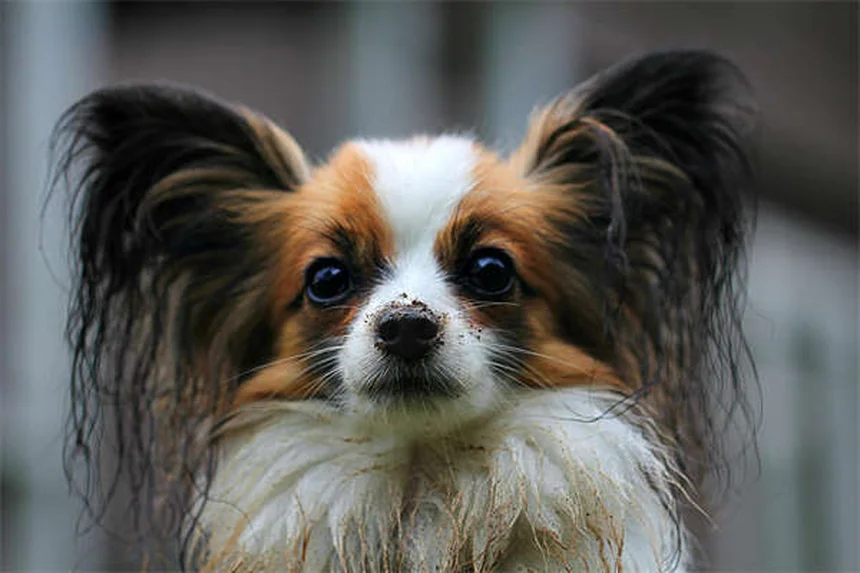 Photos provided by pixabay
The Big Three Health Concerns
Giant breeds face some specific health challenges that every owner should know about. Let's break down the three most common issues:
1. Bloat (GDV): This life-threatening condition can strike suddenly and requires immediate veterinary attention. The stomach fills with gas and twists, cutting off blood supply. Great Danes have a 42% chance of developing bloat in their lifetime - that's nearly 1 in 2!
2. Joint Problems: All that weight puts tremendous stress on bones and joints. Many giant breeds develop hip or elbow dysplasia as puppies, which can lead to painful arthritis later in life.
3. Bone Cancer: Osteosarcoma is unfortunately common in large breeds, often appearing in middle-aged dogs. Early detection is crucial for treatment success.
Spotting Trouble Early
How can you tell if your gentle giant might be developing one of these conditions? Here's what to watch for:
- Changes in eating habits (especially refusing food or water)
- Limping or reluctance to move
- Swelling in limbs
- Restlessness or inability to get comfortable
- Excessive drooling or attempts to vomit with no result
Remember, giant breeds are masters at hiding pain. By the time they show obvious discomfort, the problem may be quite advanced. That's why regular vet check-ups are so important!
Nutrition Needs: Feeding Your Giant Pup
Puppy Food Matters
Did you know that feeding the wrong puppy food can actually harm your giant breed's development? Regular puppy food has too much calcium and calories for proper bone growth in giant breeds. Here's what you need to look for:
- Large breed puppy formula specifically
- Controlled calcium and phosphorus levels
- Moderate fat content to prevent rapid growth
- Added joint supplements like glucosamine
Some top-rated options include:
- Purina Pro Plan Large Breed Puppy
- Hill's Science Diet Large Breed Puppy
- Royal Canin Giant Puppy
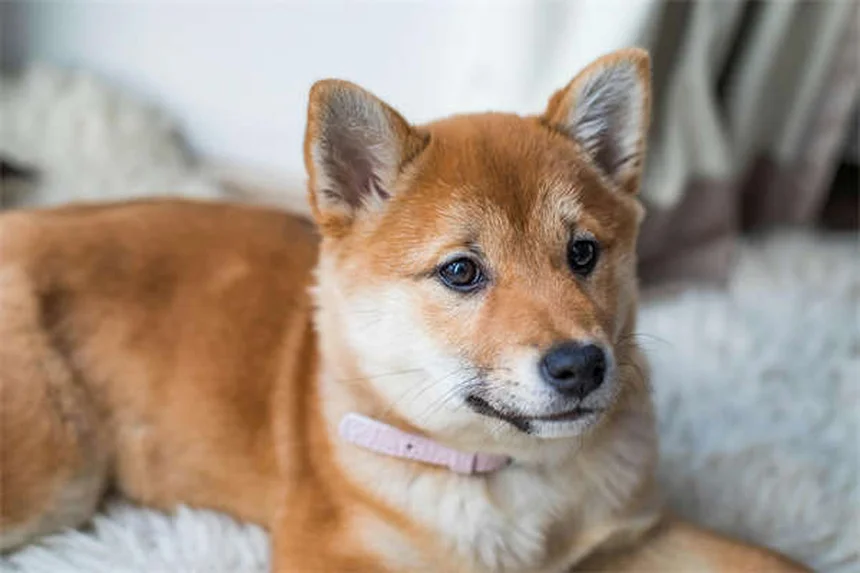 Photos provided by pixabay
The Big Three Health Concerns
As your dog grows, their nutritional needs change. Here's a quick guide:
Transitioning to Adult Food: Most giant breeds should switch between 12-24 months. Do this gradually over 7-10 days to avoid stomach upset.
Senior Considerations: Older giants often benefit from:
- Lower calorie diets to prevent weight gain
- Increased fiber for digestive health
- Additional joint support supplements
- Smaller, more frequent meals
Pro tip: Use a slow feeder bowl to prevent gulping air while eating - this helps reduce bloat risk!
Exercise and Activity: Keeping Giants Fit
Puppy Playtime Rules
Here's something surprising: you should limit exercise for giant breed puppies. Too much activity can damage developing joints. Follow these guidelines:
- 5 minutes of exercise per month of age (so a 3-month-old gets 15 minutes)
- Avoid jumping or stair climbing
- Focus on mental stimulation over physical
- Short, frequent walks are better than long sessions
Try puzzle toys and training games to tire them out without overdoing the physical activity.
Adult Exercise Needs
Adult giant breeds need regular, moderate exercise to stay healthy. Here's what works best:
- Two 30-minute walks daily
- Swimming is excellent (easy on joints!)
- Interactive play with other gentle dogs
- Avoid excessive running or jumping
- Watch for overheating in warm weather
Remember, a tired giant is a well-behaved giant. These dogs can get destructive if they don't get enough mental and physical stimulation!
Veterinary Care: Special Considerations
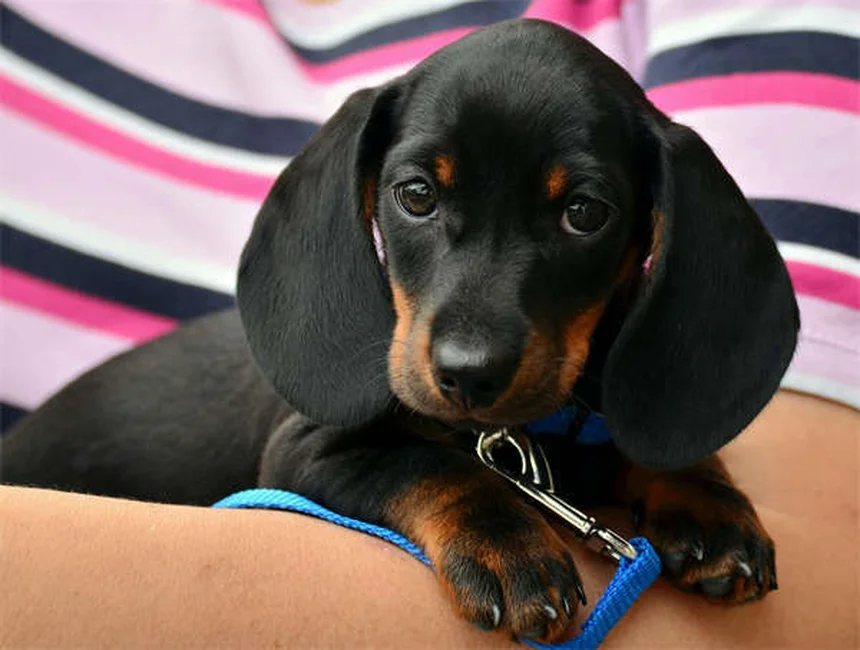 Photos provided by pixabay
The Big Three Health Concerns
Regular vet visits are crucial for giant breeds. Here's what your vet might recommend:
- Gastropexy: A preventive surgery that tacks the stomach to reduce bloat risk
- Joint supplements starting as early as 8 weeks
- Regular x-rays to monitor bone and joint health
- Earlier spay/neuter timing discussions
Don't skip those annual exams - they're your best chance to catch problems early!
Senior Care Essentials
As your giant ages (around 7+ years), their needs change:
- Twice-yearly vet visits
- Bloodwork to monitor organ function
- Pain management for arthritis
- Mobility aids like ramps or orthopedic beds
- Dietary adjustments for changing metabolism
Pro tip: Keep a journal of any behavior changes to share with your vet - it helps spot health trends!
Home Life: Living with a Giant
Giant-Proofing Your Home
Living with a giant breed requires some adjustments:
- Sturdy, raised food and water bowls
- Extra-large, durable beds
- Baby gates to block stairs if needed
- Non-slip flooring to prevent injuries
- A car that can accommodate their size!
Think of it like having a toddler who never grows up - but weighs as much as an adult human!
Training Tips for Big Dogs
Training is especially important for giant breeds. A poorly trained 10-pound dog is annoying - a poorly trained 150-pound dog is dangerous. Focus on:
- Early socialization
- Basic obedience (especially "leave it" and "drop it")
- Leash manners (no pulling!)
- Gentle play habits
- Crate training for safe confinement
Positive reinforcement works best - these sensitive giants don't respond well to harsh methods.
The Golden Years: Caring for Senior Giants
Recognizing Age-Related Changes
As your giant enters their senior years (around 7+), watch for:
- Slower movements
- Increased sleeping
- Changes in appetite
- Confusion or disorientation
- Accidents in the house
These could be signs of normal aging or indicators of health issues - your vet can help determine which.
Making Life Easier
Small changes can make a big difference for aging giants:
- Ramps for getting in/out of cars
- Orthopedic beds for joint support
- Raised food bowls to reduce neck strain
- More frequent potty breaks
- Shorter, more frequent walks
Remember, while their time with us may be shorter than smaller dogs, the love they give is immeasurable. Every moment with these gentle giants is precious!
The Emotional Side of Giant Dog Ownership
Why Big Dogs Have Big Hearts
You know what they say - the bigger the dog, the bigger the love! Giant breeds often develop incredibly strong bonds with their families. Newfoundlands are famous for their "nanny dog" tendencies, instinctively watching over children in the household.
Ever seen a 150-pound Great Dane try to be a lap dog? It's both hilarious and heartwarming. These gentle giants don't realize their size and will happily plop onto your lap given half a chance. Their emotional intelligence often rivals their physical stature.
The Social Impact of Owning a Giant
Walking a giant breed dog is like carrying a celebrity magnet - everyone wants to stop and chat! You'll never feel lonely at the dog park. But this comes with responsibility too. Your dog's behavior reflects on all large breed owners, so good manners are essential.
Did you know that properly socialized giant dogs can help change people's perceptions about "scary" large breeds? One well-behaved Mastiff can do more for breed reputation than a hundred internet articles!
Financial Considerations: The Cost of Giant Love
Upfront Expenses You Might Not Expect
Let's talk dollars and sense - giant dogs come with giant bills. Here's a breakdown of some initial costs:
| Item | Average Cost | Notes |
|---|---|---|
| Extra-large crate | $150-$300 | You might need XXL or even custom sizes |
| Giant breed bed | $100-$250 | Orthopedic options cost more |
| Food per month | $80-$150 | Premium large breed formulas add up |
| Initial vet visit | $200-$500 | Includes vaccines and health screening |
And here's the kicker - everything costs more for giant breeds, from flea medication (dosed by weight) to grooming appointments (charged by the hour). But ask any giant breed owner - they'll tell you it's worth every penny!
Long-Term Financial Planning
Is pet insurance worth it for giant breeds? Absolutely yes. One emergency bloat surgery can cost $3,000-$5,000. Hip dysplasia treatment? Even more. Start a "doggy savings account" if insurance isn't an option.
Here's a pro tip: Some vet schools offer discounted services for giant breed research studies. It's worth checking local universities for potential savings on preventative care!
Traveling with Your Gentle Giant
Car Safety for Oversized Passengers
Ever tried fitting a Saint Bernard in a compact car? Don't. You'll need serious vehicle space for safe giant dog transport. Consider these options:
- SUV or minivan with fold-down seats
- Special dog seat belts or harnesses
- Crash-tested travel crates (yes, they make them that big!)
- Non-slip mats to prevent sliding
Remember, an unsecured 180-pound dog becomes a dangerous projectile in an accident. Their safety matters as much as yours!
Hotel and Vacation Challenges
Finding dog-friendly accommodations gets trickier with giant breeds. Many places have weight limits around 50 pounds - laughable when you're traveling with a dog three times that size!
Call ahead and be honest about your dog's size. Some higher-end chains accommodate giants, especially if you can vouch for their good behavior. Always bring your own bedding and cleaning supplies - being a considerate guest keeps doors open for future giant dog travelers.
Giant Breeds in Apartment Living
Making Small Spaces Work
Think you need a mansion for a giant breed? Not necessarily! Many giants are surprisingly well-suited to apartment life if you meet their needs:
- Daily exercise is non-negotiable - no skipping walks!
- Mental stimulation prevents destructive boredom
- Potty training must be rock-solid
- Consider ground floor units for easier access
The key? A tired giant is a happy giant, regardless of your square footage. Just maybe warn your downstairs neighbors about the occasional "thunder steps"!
Neighbor Relations 101
Living in close quarters means being extra considerate. A few simple gestures go a long way:
- Introduce your gentle giant to neighbors early
- Keep barking under control (even happy "woofs" carry far)
- Always clean up immediately after potty breaks
- Share cute photos to win over skeptical neighbors
Fun fact: Many apartment dwellers report feeling safer with a giant breed in the building - even if the dog belongs to someone else!
The Unexpected Joys of Giant Ownership
Everyday Adventures
Life with a giant breed is never boring. You'll experience moments like:
- The first time your puppy outgrows his "giant" bed
- Discovering your lap has disappeared under 120 pounds of dog
- Realizing your "puppy" now rests his chin on the kitchen counter
- The pride when strangers compliment your well-behaved giant
These shared experiences create bonds that last a lifetime. Sure, you might need to buy a bigger couch, but you'll never lack for love or laughter!
The Legacy They Leave
Why do people willingly sign up for the challenges of giant breed ownership? Because the rewards are immeasurable. These dogs teach us:
- Patience (especially during the clumsy teenage phase)
- Responsibility (they depend on us completely)
- Unconditional love (even when we don't deserve it)
- How to find joy in simple moments
Ask any giant breed owner who's lost their companion, and they'll tell you - they'd do it all over again in a heartbeat. The pain of their shorter lifespan is outweighed by the depth of the connection shared.
E.g. :How to Keep Giant Dog Breeds Healthy at Every Life Stage
FAQs
Q: What are the most common health problems in giant dog breeds?
A: Giant dog breeds face three major health concerns you should watch for. First is bloat (GDV), a life-threatening condition where the stomach twists - Great Danes have a shocking 42% chance of developing this! Second are joint problems like hip dysplasia that can lead to painful arthritis. And third is osteosarcoma, an aggressive bone cancer common in large breeds. The tricky part? These big guys are pros at hiding pain. That's why we recommend regular vet check-ups every 6-12 months, even if your pup seems fine. I always tell my clients to look for subtle signs like changes in eating habits, limping, or unusual swelling.
Q: How long do giant breed dogs typically live?
A: While we wish our gentle giants could stay forever, most large breeds live 8-12 years - shorter than smaller dogs. But here's the good news: with proper care, some giants beat the odds! I've seen Newfoundlands reach 14 and Mastiffs make it to 13. The key is starting preventive care early. From joint supplements at 8 weeks to proper nutrition and controlled exercise, every little bit helps. Remember, age isn't just a number - it's about quality of life. One of my clients has a 10-year-old Great Dane who still acts like a puppy thanks to great care!
Q: What's the best food for giant breed puppies?
A: This is where many new giant breed owners make mistakes! Regular puppy food can actually harm your giant pup's development because it has too much calcium and calories. You'll want a large breed puppy formula specifically designed for their needs. Look for controlled calcium/phosphorus levels, moderate fat content, and added glucosamine. My top picks are Purina Pro Plan Large Breed Puppy, Hill's Science Diet Large Breed Puppy, and Royal Canin Giant Puppy. And here's a pro tip: use a slow feeder bowl to prevent gulping air - it reduces bloat risk!
Q: How much exercise does a giant breed puppy need?
A: Here's the surprising truth: you should limit exercise for giant breed puppies to protect their developing joints. A good rule is 5 minutes of exercise per month of age - so a 3-month-old gets just 15 minutes at a time. Avoid jumping or stair climbing, and focus more on mental stimulation. I recommend puzzle toys and short training sessions instead of long walks. One of my clients made the mistake of hiking with their 4-month-old Mastiff puppy - we ended up treating some serious joint inflammation. Remember, they've got their whole lives to be active!
Q: Should I get preventive gastropexy surgery for my giant breed?
A: As a vet who's seen too many bloat emergencies, I strongly recommend prophylactic gastropexy, especially for high-risk breeds like Great Danes and Saint Bernards. This surgery tacks the stomach in place to prevent twisting. We typically do it during spay/neuter around 12-18 months. While it doesn't completely eliminate bloat risk (they can still get gas buildup), it does prevent the deadly twisting part. I've had clients who hesitated and later regretted it when their dog developed GDV. The peace of mind is worth it!