What is the MDR1 gene in dogs? Here's the deal: The MDR1 gene mutation can make certain medications dangerous for your furry friend. We're talking about a genetic quirk that affects how your dog processes drugs - and it's more common than you might think, especially in herding breeds like Collies and Australian Shepherds.I've seen firsthand how important this knowledge is. Just last month, a client's Border Collie had a scary reaction to a routine medication - all because no one knew about their MDR1 status. That's why I'm breaking it down for you: If your dog has this mutation, certain drugs can slip past their natural defenses and cause serious neurological issues. But here's the good news - with proper testing and precautions, you can keep your pup safe while still getting them the care they need.The bottom line? Understanding your dog's MDR1 status isn't just vet stuff - it's crucial information that could literally save your dog's life one day. And trust me, you'll sleep better knowing you've got all the facts.
E.g. :Syringomyelia in Dogs: 5 Warning Signs Every Pet Owner Should Know
- 1、Understanding the MDR1 Gene in Dogs
- 2、How Medications Mess With MDR1 Dogs
- 3、The Genetics Behind MDR1
- 4、Dangerous Drugs for MDR1 Dogs
- 5、Testing: The Smart Choice
- 6、Living With an MDR1 Dog
- 7、Beyond the Basics: Lesser-Known Facts About MDR1
- 8、Modern Solutions for MDR1 Challenges
- 9、Real Owner Experiences
- 10、Breeding Considerations
- 11、Traveling With an MDR1 Dog
- 12、The Bigger Picture: What This Teaches Us
- 13、FAQs
Understanding the MDR1 Gene in Dogs
What Exactly Is This Gene?
Picture this: It's 2001, and a veterinary pharmacologist makes a breakthrough discovery. Several herding-breed dogs kept showing unusual reactions to medications. Why? Because of a sneaky genetic mutation affecting their MDR1 (multidrug resistance 1) gene.
This gene controls production of p-glycoprotein - your dog's built-in bouncer that kicks out toxins and prevents medications from entering sensitive areas like the brain. When this gene mutates, the bouncer gets lazy. Suddenly, medications that should stay out of the brain start crashing the party, leading to potentially dangerous side effects.
Why Should You Care?
Here's the kicker - it's not just about Collies and ivermectin (though yes, 70% of Collies carry this mutation). We're talking about multiple breeds and dozens of medications. The good news? We now have simple genetic tests to identify affected dogs.
Think of it like this: Would you want to know if your child had a food allergy before they ate peanuts? Of course! The same logic applies here. Knowing your dog's MDR1 status helps your vet make safer medication choices.
How Medications Mess With MDR1 Dogs
 Photos provided by pixabay
The Blood-Brain Barrier Breakdown
In normal dogs, p-glycoprotein works overtime at the blood-brain barrier - think of it as an elite security team keeping unwanted substances out. But in MDR1 dogs? The security team takes a coffee break.
When certain drugs slip past this weakened defense, they can cause neurological mayhem: seizures, tremors, even blindness. And because the body can't eliminate these drugs efficiently, you might see prolonged sedation or nausea. Not exactly a fun time for Fido.
Real-World Consequences
Let me give you an example. Ivermectin - that common heartworm preventive - becomes dangerous at higher doses. While most dogs handle it fine, MDR1 dogs might experience severe reactions. That's why testing matters!
Here's a quick comparison of how different doses affect dogs:
| Ivermectin Dose | Normal Dogs | MDR1 Dogs |
|---|---|---|
| Heartworm preventive dose | Safe | Usually safe |
| Mange treatment dose | Safe | Potentially lethal |
The Genetics Behind MDR1
It's All in the Family
Ever wonder why certain breeds are more affected? It's simple genetics. The MDR1 mutation passes from parent to puppy like a questionable family heirloom.
Each dog gets two copies of the gene - one from mom, one from dad. If both copies are mutated, you've got a dog with serious drug sensitivity. Even one bad copy can cause issues, though usually milder.
 Photos provided by pixabay
The Blood-Brain Barrier Breakdown
Did you know Australian Shepherds have about a 50% chance of carrying this mutation? That's right - flip a coin, and those are the odds for many herding breeds.
Here's something interesting: Why do you think herding breeds are most affected? Some researchers believe the mutation might have originally provided some evolutionary advantage we don't yet understand.
Dangerous Drugs for MDR1 Dogs
Common Medications to Avoid
You'd be shocked how many everyday medications can cause problems. That anti-diarrheal Imodium in your medicine cabinet? Potentially deadly for an MDR1 dog.
Even some sedatives used for grooming or travel need special consideration. The key is always consulting your vet before giving any medication - yes, even over-the-counter ones.
Chemotherapy Considerations
For dogs needing cancer treatment, this gets extra tricky. Some chemo drugs like vincristine clear slower from MDR1 dogs' systems, potentially increasing side effects.
But here's the good news: Oncologists know how to adjust protocols. With proper testing and monitoring, even MDR1 dogs can receive safe, effective cancer care.
Testing: The Smart Choice
 Photos provided by pixabay
The Blood-Brain Barrier Breakdown
Wondering if your dog needs testing? If you've got a herding breed, the answer is probably yes. The test is simple - just a cheek swab or blood draw.
Here's a question: Why guess when you can know? Testing gives you and your vet concrete information to make the safest medication choices. It's one of those "better safe than sorry" situations.
What to Do With Results
Got positive results? Don't panic. Many MDR1 dogs live perfectly normal lives - you just need to be medication-smart. Always carry a card or note in your wallet about your dog's status.
And here's a pro tip: Share results with anyone who might treat your dog - your regular vet, emergency clinics, even the groomer if they use sedatives. Knowledge is power when it comes to keeping your pup safe.
Living With an MDR1 Dog
Everyday Precautions
You'll want to be extra careful about flea/tick products and heartworm preventives. Always double-check with your vet about what's safe.
Fun fact: Many vets now recommend Sentinel or Interceptor for MDR1 dogs instead of ivermectin-based preventives. Small choices can make a big difference!
Emergency Preparedness
Here's something scary: If your MDR1 dog ever needs emergency care, they might be given dangerous drugs accidentally. That's why I recommend:
1. A special collar tag noting MDR1 status
2. Saved notes in your phone about dangerous medications
3. Pre-printed information sheets in your car and home
Remember, you're your dog's best advocate. A little preparation goes a long way in keeping them safe!
Beyond the Basics: Lesser-Known Facts About MDR1
The Surprising History of This Mutation
You might think this mutation appeared recently, but here's the twist - researchers found it in DNA samples from 19th century dog specimens! This suggests the mutation has been around longer than we imagined.
Why did it persist in certain breeds? Some theories suggest it might have provided protection against plant toxins common in grazing areas where herding dogs worked. Isn't that fascinating? Nature works in mysterious ways.
Unexpected Breed Connections
While we typically associate MDR1 with herding breeds, did you know some sight hounds like Whippets can carry it too? The mutation appears in about 5% of Whippets tested.
Here's something that'll make you think: What other breeds might be affected that we haven't discovered yet? As more people test their dogs, we're constantly expanding our knowledge about which breeds carry this mutation.
Modern Solutions for MDR1 Challenges
Alternative Medication Options
Facing an MDR1 diagnosis doesn't mean your dog can't receive proper medical care. Veterinarians now have extensive lists of safe alternatives for nearly every situation.
For example, instead of loperamide (Imodium) for diarrhea, your vet might recommend probiotics or specific prescription diets. When it comes to pain management, options like gabapentin often work well without the risks.
Cutting-Edge Research Developments
Scientists are currently working on gene therapy approaches that could potentially "fix" the MDR1 mutation. While still in early stages, this research offers hope for future generations of dogs.
Meanwhile, pharmaceutical companies are developing new drugs specifically designed to bypass the MDR1 issue entirely. The future looks bright for managing this condition!
Real Owner Experiences
Success Stories That Inspire
Meet Bailey, an Australian Shepherd who underwent successful cancer treatment despite being MDR1 positive. Her owners worked closely with a veterinary oncologist to adjust dosages and monitor carefully.
Then there's Max, the Border Collie who accidentally ingested a dangerous medication but survived because his owners recognized the symptoms immediately and rushed him to the ER. These stories prove that with proper knowledge, MDR1 dogs can live full, happy lives.
Common Mistakes to Avoid
One owner didn't realize her dog's flea medication contained ivermectin - a near-fatal oversight. Another assumed all vaccines were safe, not realizing some contain adjuvants that might cause issues.
The lesson? Always read labels carefully and never assume anything is safe without checking with your vet first. When in doubt, ask!
Breeding Considerations
Responsible Breeding Practices
Ethical breeders now routinely test their breeding stock for MDR1. Some breed clubs even require testing before allowing dogs to be bred.
Here's an interesting approach some breeders take: They'll pair one MDR1-positive dog with a clear partner, then test the puppies. This maintains genetic diversity while reducing risk.
The Puppy Buyer's Checklist
Looking for a new puppy? Add these questions to your list:- Have both parents been tested for MDR1?- Can I see the test results?- What medications should we avoid if the puppy is positive?
Remember, a responsible breeder will happily provide this information and discuss any potential health concerns openly.
Traveling With an MDR1 Dog
Pre-Trip Preparations
Planning a road trip? Create a travel kit that includes:- Copies of your dog's MDR1 test results- A list of emergency vets along your route- Safe medications approved by your vet
Pro tip: Program emergency vet numbers into your phone before you leave. You'll thank yourself if an unexpected situation arises.
Flying Considerations
Air travel presents unique challenges. Many airlines require health certificates that list all medications. Make sure your vet understands your dog's MDR1 status when completing these forms.
Ask yourself: Is sedation absolutely necessary? For many MDR1 dogs, the risks outweigh the benefits. Consider natural calming aids instead, like pheromone sprays or compression shirts.
The Bigger Picture: What This Teaches Us
About Canine Genetics
The MDR1 story highlights how much we've learned about dog genetics in just a few decades. What other important mutations might we discover in the coming years?
This knowledge empowers us to make better decisions for our pets' health. It also reminds us that purebred dogs often carry specific genetic legacies - both good and bad.
About Responsible Pet Ownership
At its core, the MDR1 issue teaches us about being proactive pet parents. In the past, many dogs suffered because we didn't understand these genetic factors.
Today, we have the tools and knowledge to prevent those tragedies. That's progress worth celebrating!
E.g. :Dog breeds commonly affected by MDR1 mutation | Program in ...
FAQs
Q: How common is the MDR1 gene mutation in dogs?
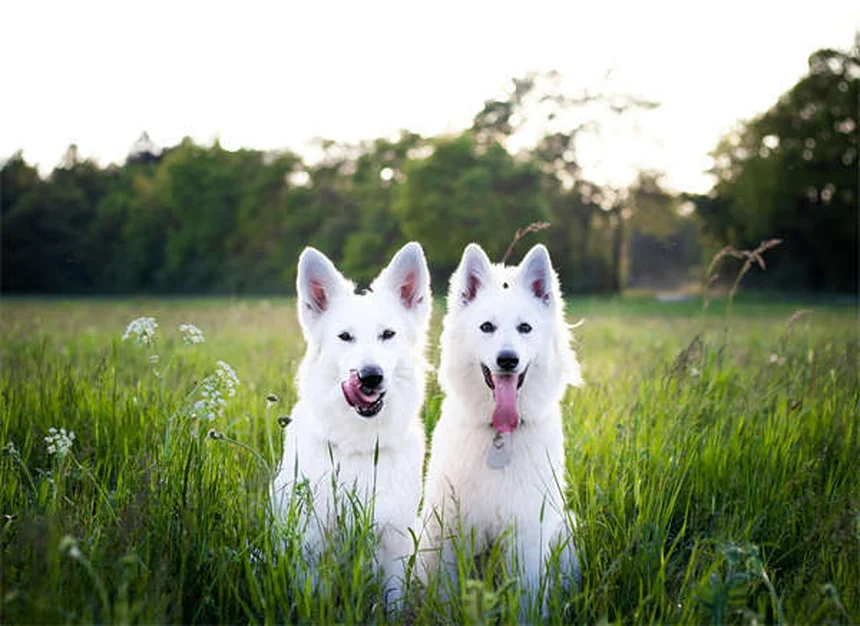
A: The MDR1 mutation is surprisingly common in certain breeds. About 70% of Collies carry it, while roughly half of Australian Shepherds and Mini Aussies are affected. Other at-risk breeds include Shetland Sheepdogs, Old English Sheepdogs, and German Shepherds. Even if your dog isn't purebred, if they have herding breed ancestry, it's worth considering testing. I always tell my clients - better to know and not need it than need to know and not have tested!
Q: What medications should I avoid if my dog has the MDR1 mutation?
A: The medication list is longer than you might expect. The big ones are ivermectin (especially at high doses for mange treatment), loperamide (Imodium - which you should NEVER give to these dogs), and certain sedatives like acepromazine. Chemo drugs vincristine and doxorubicin also require careful monitoring. Here's my pro tip: Always ask your vet to double-check any new medication against the MDR1 list - even if it's something "routine."
Q: How can I test my dog for the MDR1 gene?
A: Testing is easier than ever! You've got two options: a simple cheek swab test you can do at home (companies like Wisdom Panel offer this) or a blood test through your vet. The process takes just minutes, and results typically come back in 2-3 weeks. I recommend testing any at-risk breed puppy as soon as possible - it's one of those tests you'll be glad you did for your dog's entire life.
Q: Can MDR1 dogs live normal lives?
A: Absolutely! Here's the thing - MDR1 dogs are completely healthy until they're given problematic medications. With proper precautions, they can enjoy full, happy lives. The key is being medication-smart: using safe alternatives, carrying an MDR1 alert card, and informing every vet who treats your dog. I've worked with hundreds of MDR1 dogs over the years - with proper care, they do just fine!
Q: What should I do in an emergency with an MDR1 dog?
A: Emergency prep is crucial. First, get your dog an MDR1 alert tag for their collar. Keep a list of dangerous drugs in your phone and car. Most importantly, make sure everyone who might care for your dog knows about their status - regular vet, emergency clinics, even pet sitters. In a true emergency, seconds count, and this information could save your dog's life.