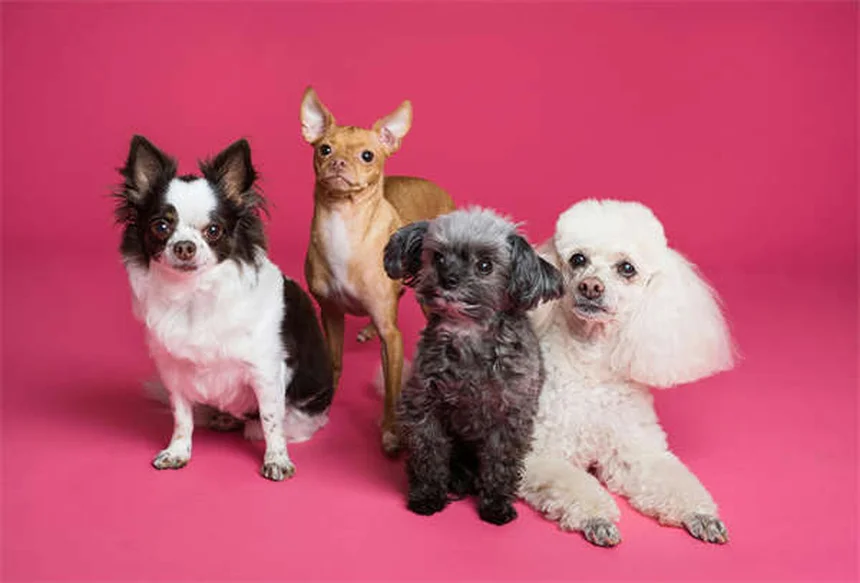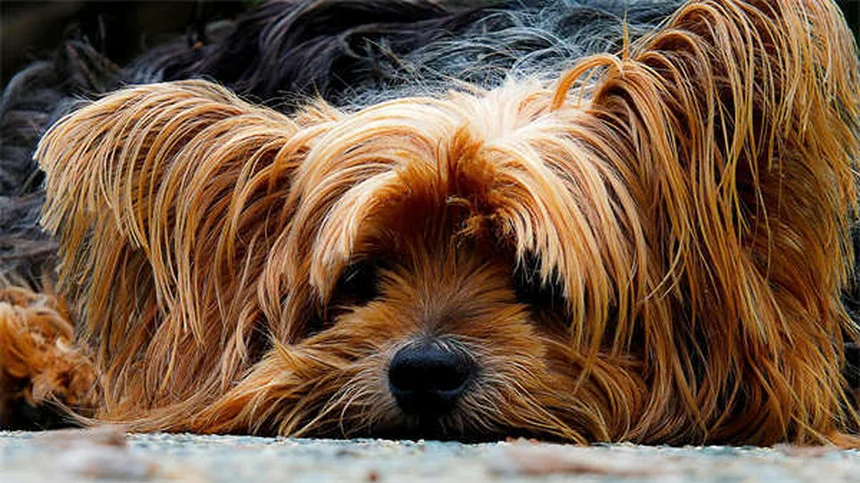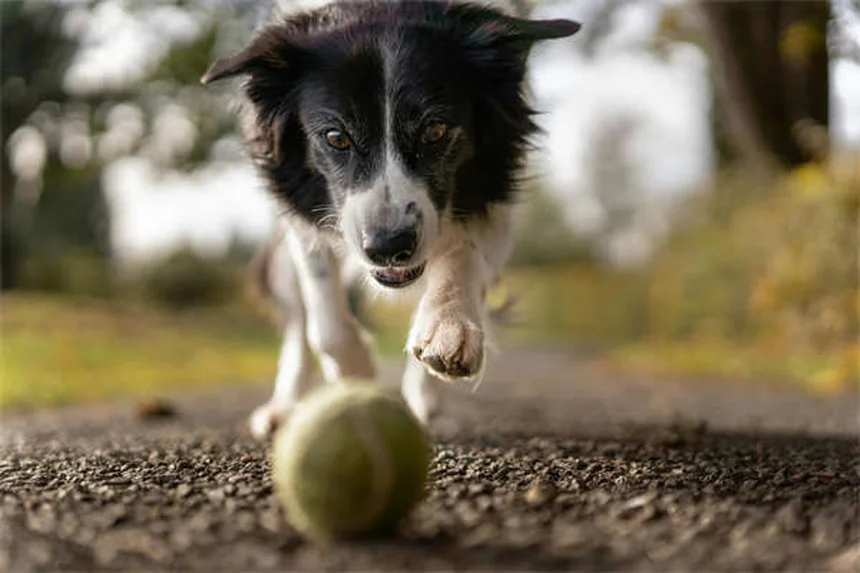
Why do dogs love belly rubs? The answer is simple: belly rubs make dogs feel amazing! Research shows that just three minutes of belly rubs releases oxytocin (the love hormone) in your pup while lowering their stress levels. And here's the best part - you get the same happy chemical boost too!As a dog owner myself, I've seen firsthand how belly rubs can transform my golden retriever from anxious to blissful in seconds. But not all dogs enjoy them the same way. Some prefer gentle circular motions, others go crazy for light scratches, and a few would rather have chest rubs instead. The key is reading your dog's body language to understand what they really want.In this article, we'll break down the science behind why dogs love belly rubs, how to give the perfect rub, and what to do if your pup isn't a fan. Trust me, by the end you'll be a belly rub expert!
E.g. :Holiday Pet Safety Tips: 5 Vet-Approved Ways to Protect Your Pets
- 1、The Science Behind Why Dogs Love Belly Rubs
- 2、Understanding Your Dog's Belly Rub Preferences
- 3、Mastering the Art of the Perfect Belly Rub
- 4、When Belly Rubs Aren't Their Thing
- 5、The Bigger Picture of Canine Affection
- 6、The Evolutionary Roots of Belly Exposure
- 7、Cultural Differences in Dog Affection
- 8、The Psychology Behind the Perfect Rub
- 9、Beyond Physical Benefits
- 10、Fun Facts About Dog Bellies
- 11、FAQs
The Science Behind Why Dogs Love Belly Rubs
It's All About Those Happy Chemicals
You know that warm fuzzy feeling you get when hugging someone you love? Dogs experience something similar during belly rubs! A 2011 study showed just three minutes of petting releases oxytocin (the "love hormone") in dogs while lowering their stress levels. And guess what? The humans doing the petting get the same benefits!
Here's a fun fact: shelter dogs who received 15 minutes of petting became significantly calmer. This isn't just about feeling good - it could actually help them get adopted faster! Now that's what I call a win-win situation.
More Than Just a Scratch Reflex
Ever noticed your dog's leg kicking when you hit that "sweet spot"? That's their scratch reflex at work - an automatic response to protect against irritants like bugs. But here's the interesting part: while the reflex is automatic, it doesn't necessarily mean your dog dislikes the sensation.
Think of it like when a doctor taps your knee with that little hammer. Your leg jerks whether you want it to or not! The key is watching your dog's overall body language to understand if they're truly enjoying the belly rub experience.
Understanding Your Dog's Belly Rub Preferences
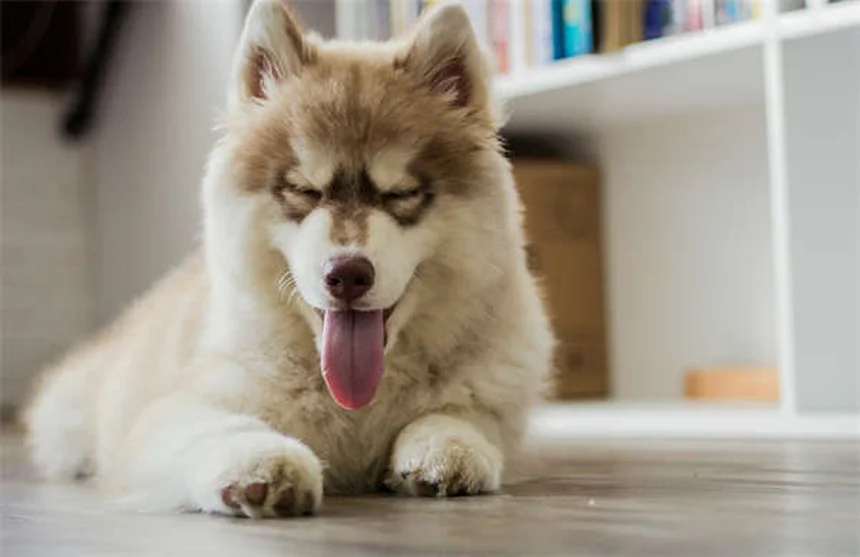 Photos provided by pixabay
Reading the Signs: Does Your Dog Actually Want a Belly Rub?
Here's something that might surprise you: when a dog rolls onto their back, it doesn't always mean "rub my belly!" Sometimes they're actually showing submission or discomfort. So how can you tell the difference?
Let me break it down with this handy table:
| Happy Belly Rub Signs | "Please Stop" Signals |
|---|---|
| Relaxed body posture | Tense muscles |
| Soft, wiggly movements | Freezing in place |
| Pawing at your hand | Moving away from touch |
| Content facial expression | Lip licking or yawning |
Timing Is Everything
Did your dog just greet you at the door with an excited belly-up display? That's probably an invitation for affection. But if they roll over when you approach with nail clippers? That's likely a stress response. Context matters just as much as body language!
Mastering the Art of the Perfect Belly Rub
Techniques That Will Make Your Dog Melt
Forget what you've heard - there's no single "right" way to give a belly rub. Some dogs prefer gentle circular motions, others love light scratches, and some go crazy for a good patting motion. Smaller dogs usually like softer touches, but don't assume big dogs always want rough treatment!
Here's a pro tip: the sides of the belly are often less sensitive than the middle. And whatever you do, avoid the nipple area (yes, male dogs have them too) unless your dog specifically shows they enjoy that spot.
 Photos provided by pixabay
Reading the Signs: Does Your Dog Actually Want a Belly Rub?
Your dog is the best teacher when it comes to belly rubs. If they nudge your hand for more or stay belly-up, you're doing great! But if they walk away or tense up? That's their way of saying "thanks, but no thanks."
Remember: quality matters more than quantity. A few minutes of well-received belly rubs beats an hour of forced affection any day!
When Belly Rubs Aren't Their Thing
Alternative Ways to Show Love
Not all dogs are belly rub fans, and that's okay! Many prefer scratches behind the ears, chest rubs, or even just sitting close to you. Some dogs would rather have a tasty treat than physical affection - and that's perfectly valid too.
Ever wonder why some dogs seem indifferent to petting? Just like people, dogs have different love languages. The key is paying attention to what makes your particular pup light up with joy.
When to Be Concerned
If your normally affectionate dog suddenly avoids belly rubs or seems sensitive in certain areas, it might be time for a vet visit. Sudden changes in behavior can sometimes indicate health issues that need attention.
The Bigger Picture of Canine Affection
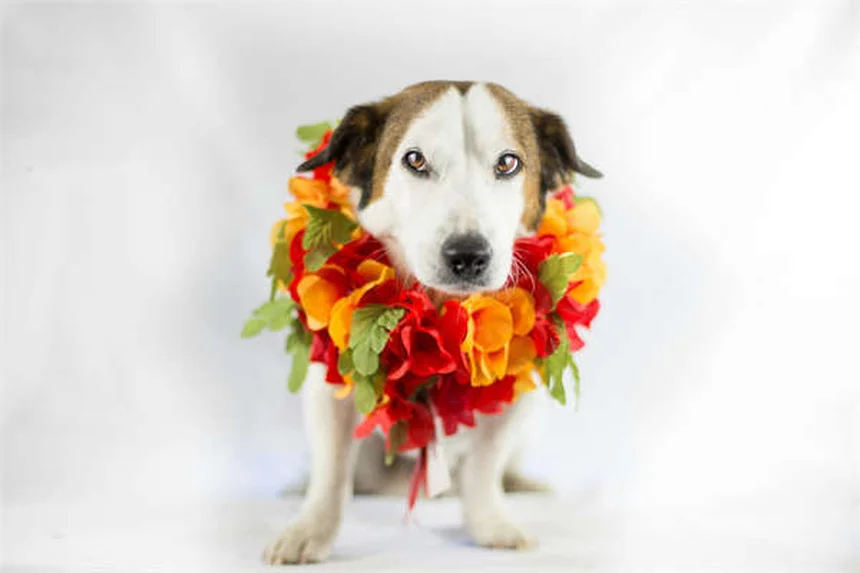 Photos provided by pixabay
Reading the Signs: Does Your Dog Actually Want a Belly Rub?
While belly rubs are great, they're just one way to bond with your dog. Playtime, training sessions, and even just relaxing together can strengthen your connection. The most important thing is finding what works for both of you.
At the end of the day, whether your dog is a belly rub enthusiast or not, showing them love in ways they appreciate will make your bond stronger than ever. And isn't that what being a pet parent is all about?
The Evolutionary Roots of Belly Exposure
From Vulnerability to Trust
Ever wonder why dogs show their bellies in the first place? This behavior traces back to wolf ancestors where exposing the belly was both a defensive posture and a sign of submission. But here's the twist - domestic dogs have transformed this into a trust-building ritual with their human families.
In wolf packs, lower-ranking members would expose their bellies to show they weren't a threat. But your family dog? They're saying "I trust you completely" when they flop onto their back. That's some serious character development over thousands of years of domestication!
The Science of Social Bonding
Research shows that dogs who frequently expose their bellies tend to have stronger bonds with their owners. It's like they're saying "you're my pack leader" in dog language. And get this - puppies as young as 8 weeks old start showing this behavior, proving it's hardwired into their DNA.
Cultural Differences in Dog Affection
How Different Countries Pet Their Dogs
Did you know belly rub preferences vary across cultures? In Japan, many owners focus more on head pats than belly rubs. Meanwhile in Brazil, full-body massages are super popular. Here's a quick comparison of petting styles:
| Country | Preferred Petting Style | Belly Rub Frequency |
|---|---|---|
| United States | Belly rubs & ear scratches | High |
| France | Back stroking | Medium |
| South Korea | Gentle head pats | Low |
Isn't it fascinating how our cultural backgrounds shape how we interact with our pets? This might explain why some dogs seem confused when tourists try to pet them differently than their owners do!
The Language of Touch
Just like humans have different personal space preferences, dogs develop touch expectations based on their upbringing. A rescue dog from a country with less physical contact might need time to warm up to American-style belly rubs. Patience is key when building these cross-cultural canine relationships!
The Psychology Behind the Perfect Rub
Why Some Spots Feel Better Than Others
Ever notice how your dog seems to have "hot spots" that make their leg kick like crazy? These areas have higher concentrations of nerve endings, making them extra sensitive. But here's something you might not know - these spots often correspond to areas dogs can't easily scratch themselves.
Think about it from your dog's perspective: that spot right in the middle of their back that they can never quite reach? When you scratch there, you're basically their personal backscratcher! No wonder they look so grateful.
The Power of Predictable Patterns
Dogs actually prefer belly rubs that follow a predictable rhythm. Random, erratic petting can be stressful, while steady circular motions are calming. It's like the difference between a relaxing massage and someone poking you unexpectedly!
Pro tip: try counting "one-Mississippi, two-Mississippi" as you rub to maintain a steady pace. Your dog will appreciate the consistency, and you might find it relaxing too!
Beyond Physical Benefits
Emotional Connections Through Touch
Belly rubs do more than just feel good physically - they strengthen your emotional bond. When you rub your dog's belly, you're engaging in what scientists call "affiliative behavior." Basically, you're having a conversation without words, saying "I love you" through touch.
This is especially powerful for rescue dogs who may have trust issues. Consistent, gentle belly rubs can help rebuild their faith in humans after difficult experiences. Talk about the healing power of touch!
The Mirror Effect
Here's something wild - when you're stressed, your dog can pick up on it through your touch. That's why it's important to be present during belly rub sessions. If you're distracted or anxious, your dog might sense that tension in your hands.
Next time you give belly rubs, try taking a few deep breaths first. You'll both benefit from the moment of connection. After all, shouldn't bonding time be relaxing for both of you?
Fun Facts About Dog Bellies
Belly Button Mysteries
Did you know dogs have belly buttons just like humans? They're often harder to spot because they're covered in fur, but every dog has one! This little scar is where the umbilical cord connected them to their mother in the womb.
Some dogs even enjoy having their belly buttons gently rubbed - though others find it ticklish. It's worth experimenting to see how your pup reacts!
The Temperature Factor
Ever notice your dog loves belly rubs more in certain weather? A dog's belly has less fur than other areas, making it more sensitive to temperature changes. On hot days, they might enjoy cooler surfaces more than rubs, while chilly evenings could make them crave warm hand contact.
This explains why my golden retriever suddenly becomes a belly rub fanatic when winter hits - she's basically using me as a living hand warmer!
E.g. :Why do dogs love belly rubs ? : r/askscience
FAQs
Q: Do all dogs enjoy belly rubs?
A: Not all dogs are belly rub fans, and that's completely normal! While many dogs love the attention, some prefer other forms of affection like ear scratches or simply sitting close to you. I've worked with hundreds of dogs and can tell you that each has unique preferences. Pay attention to your dog's reactions - if they move away or seem tense, they might prefer petting elsewhere. The chest or base of the tail are often good alternatives. Remember, respecting your dog's boundaries actually strengthens your bond.
Q: Why does my dog kick their leg during belly rubs?
A: That funny leg kick is called the scratch reflex, and it's completely normal! It's an automatic response wired into your dog's nervous system to protect against irritants like bugs. Think of it like when a doctor taps your knee - your leg jerks whether you want it to or not. The reflex doesn't necessarily mean your dog dislikes the rub. My own dog does this every time, then immediately rolls over for more! Watch their overall body language to tell if they're truly enjoying it.
Q: How can I tell if my dog actually wants a belly rub?
A: Great question! Look for these clear signs: relaxed body posture, soft wiggly movements, or pawing at your hand for more. On the flip side, if your dog tenses up, moves away, or licks their lips, they're probably not in the mood. One trick I use is the "three-second test" - give a brief rub and see if they ask for more. Context matters too! A dog rolling over at the door is likely happy, while one doing it during nail trimming might be stressed.
Q: Are there health benefits to giving my dog belly rubs?
A: Absolutely! Studies show belly rubs reduce stress hormones like cortisol while increasing oxytocin in both dogs and humans. In shelters, just 15 minutes of petting helps anxious dogs relax - sometimes enough to get them adopted! From my experience, regular belly rubs can also help you notice any unusual lumps or sensitivities early. But remember - the emotional benefits only happen when your dog actually enjoys the contact.
Q: What's the best technique for giving belly rubs?
A: After 10 years as a vet, I can tell you there's no single "right" way. Most dogs prefer gentle circular motions on the sides of the belly (avoid the nipple area!). Smaller dogs usually like softer touches, while some big dogs enjoy firmer rubs. My pro tip? Let your dog guide you! If they nudge your hand or stay belly-up, you're doing great. And always give breaks to check if they want more. Quality belly rub time beats quantity every time!