Wondering how to prepare your dog for family gatherings? The answer is simple: master these 5 essential commands before your next visit! As a dog owner myself, I've learned the hard way that even well-trained pups can forget their manners in exciting new environments. You'll want to focus on potty training, jumping prevention, and especially the sit command - which Sarah Westcott from Doggie Academy calls the Swiss Army knife of dog commands.Here's the deal: your dog isn't trying to embarrass you when they jump on Aunt Martha or mark territory on grandma's rug. They're just confused about the rules in new places. That's why we'll show you exactly how to reinforce good behavior so both you and your pup get invited back next time!
E.g. :10 Shocking Tick Facts Every Pet Owner Must Know
- 1、Preparing Your Pup for Family Gatherings
- 2、Jumping: The Attention Game
- 3、The Magic of "Sit"
- 4、Bonus Tips for Stress-Free Visits
- 5、Understanding Your Dog's Perspective
- 6、Advanced Training Techniques
- 7、Handling Special Situations
- 8、Long-Term Socialization Strategies
- 9、FAQs
Preparing Your Pup for Family Gatherings
Why Basic Commands Matter
You know that excited feeling when you're about to visit family? Well, your dog feels it too - maybe too much. Before you head to grandma's house, let's make sure Fido doesn't embarrass you by jumping on Aunt Martha or marking his territory on her Persian rug.
Sarah Westcott from Doggie Academy puts it perfectly: "Even house-trained dogs might forget manners in new environments." Imagine your dog thinking, "This isn't home - new bathroom rules apply!" We've all been there, right?
Potty Training Refresher
Here's a golden rule: first thing when you arrive, take your dog outside. Make it a celebration when they do their business - extra praise, maybe even a special treat. Remember how we potty trained as puppies? Same rules apply now.
Pro tip: Use your "go potty" command right after meals or drinks. I keep a mental checklist:
- Arrive at new place
- Straight to the yard
- Celebrate success
Jumping: The Attention Game
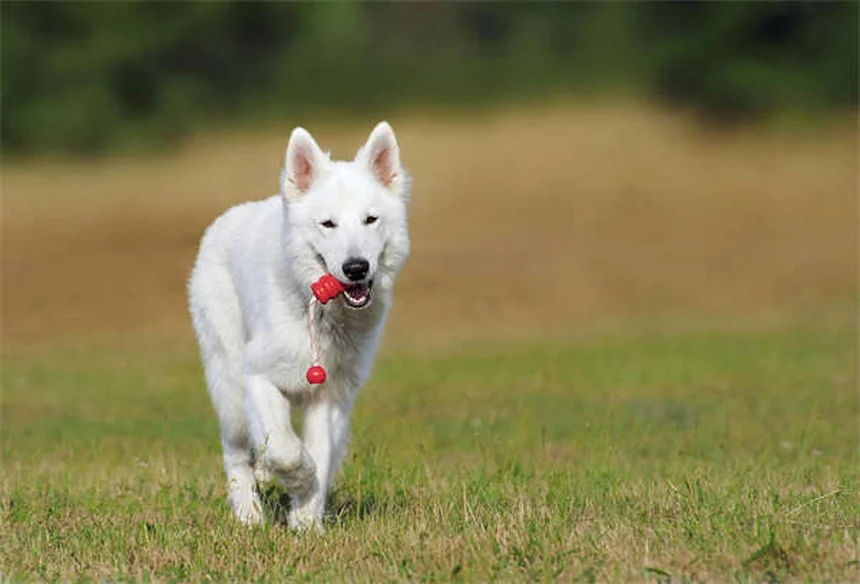 Photos provided by pixabay
Why Dogs Jump (And Why We Accidentally Encourage It)
Ever notice how everyone reacts when a dog jumps? Some push them down (which feels like petting), others talk to them (attention!), and some even play along (best game ever!). We're all guilty of this - but it's actually rewarding bad behavior.
Here's what works better: become a statue. No eye contact, no words, no touch. Wait for all four paws on the floor - then shower them with love. It's tough love, but your dog will learn faster than you think!
The "Off" Command Solution
If your dog knows "off," this is their time to shine! But here's the catch - only reward when they fully comply. All paws down, calm demeanor. Think of it like this:
| What Not to Do | What Works Better |
|---|---|
| Pushing dog down while saying "no" | Standing still until dog settles |
| Petting while saying "down" | Waiting for calm before affection |
The Magic of "Sit"
Why Sit is the Swiss Army Knife of Commands
Did you know "sit" can prevent about 90% of doggy disasters? Jumping on people? Sitting fixes it. Begging at the table? Sitting helps. Getting into things? You guessed it - sitting solves it. It's the ultimate behavior reset button.
Here's a funny thought: What if humans had a "sit" command? Picture your uncle getting too rowdy at Thanksgiving - "Bob, sit!" Instant calm, right? Okay, maybe not, but it works wonders for dogs!
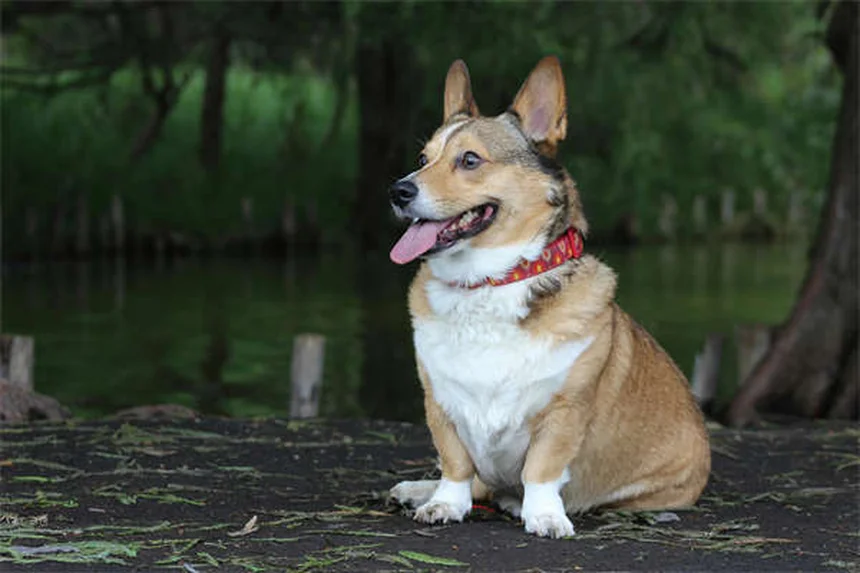 Photos provided by pixabay
Why Dogs Jump (And Why We Accidentally Encourage It)
Start small - ask for sit, wait 2 seconds, then reward. Gradually increase the time. Before you know it, your dog will understand "sit" means both "put your bottom down" and "chill out."
Ever wonder why this simple command is so powerful? Because it gives dogs clear expectations. When they're unsure in new situations, "sit" becomes their safe space - like a security blanket, but furrier.
Remember my neighbor's labrador? First family visit, he knocked over a lamp, stole a turkey leg, and barked at the cat. After mastering "sit"? Perfect gentleman. True story!
Bonus Tips for Stress-Free Visits
Bring Their Comfort Items
Pack their favorite blanket or toy - it's like giving them a piece of home. Familiar smells reduce anxiety, which means better behavior. Plus, it gives them something appropriate to focus on besides grandma's antique collection.
Exercise Before You Go
A tired dog is a well-behaved dog. Before visits, we do a 30-minute walk or play session. It's like taking the edge off before a big test - they'll be calmer and more focused.
Pro tip: Combine exercise with training. Practice commands during the walk - it reinforces good behavior when they're excited, which is perfect preparation for family gatherings.
 Photos provided by pixabay
Why Dogs Jump (And Why We Accidentally Encourage It)
Choose a quiet spot where your dog can observe without being overwhelmed. Bring treats to reward calm behavior. And most importantly - have realistic expectations. Even well-trained dogs might need reminders in exciting new environments.
Remember, every successful visit makes the next one easier. Before you know it, your family will be fighting over who gets to host you and your perfectly behaved pup next time!
Understanding Your Dog's Perspective
The Science Behind Canine Stress
Ever wondered why your normally well-behaved pup turns into a tornado at family gatherings? Dogs experience stress differently than humans. While we might feel social anxiety, they're dealing with sensory overload - new smells, unfamiliar voices, and disrupted routines all at once.
Dr. Amy Pike, a veterinary behaviorist, explains that dogs can experience cortisol spikes similar to humans during stressful events. That's why your dog might pant excessively or seek hiding spots when surrounded by loud relatives. I always bring a "safe space" crate to gatherings - it's like giving them their own private VIP room!
Reading Your Dog's Body Language
You know that look when your dog's ears go back and their tail tucks? That's their version of saying "I need a break." Watch for these subtle signs:
| Calm Signals | Stress Signals |
|---|---|
| Relaxed mouth with tongue out | Lip licking or yawning |
| Loose, wagging tail | Stiff body or tucked tail |
| Play bows | Whale eye (showing whites of eyes) |
Last Christmas, I noticed my golden retriever constantly shaking off like he was wet - turns out that's a common stress reliever for dogs! Now I know to give him quiet time when I see that behavior.
Advanced Training Techniques
The Power of Distraction Training
Here's a game-changer I learned from a professional trainer: teach your dog to focus on you amidst chaos. Start by practicing "watch me" commands during increasingly distracting situations - first at home, then in the yard, eventually at busy parks.
Does this sound like too much work? Think of it like building muscle memory. Just as athletes train for big games, we're training our dogs for life's unpredictable moments. My breakthrough came when I used slices of hot dog as high-value treats - suddenly, I became more interesting than Uncle Joe's loud stories!
Creating Positive Associations
Ever notice how some dogs tremble at the sight of suitcases? We can prevent gathering anxiety by creating happy memories. Try this:
Host mini-gatherings with dog-loving friends before the big event. Keep it short and sweet with plenty of treats when your dog remains calm. Gradually increase the crowd size. It's like exposure therapy, but with more belly rubs and fewer therapy bills!
I started with just my neighbor coming over for coffee while my dog practiced "place" commands. Now she can handle a dozen relatives without breaking a sweat (though I still can't promise the same for myself).
Handling Special Situations
When Kids Are Involved
Nothing tests a dog's patience like excited children. Did you know most dog bites happen during family gatherings? Not because dogs are aggressive, but because they feel trapped or overwhelmed.
Teach kids the "three-second rule" - pet for three seconds, then pause to see if the dog wants more. Create a "kid-free zone" where your dog can retreat. And always supervise interactions - because let's face it, sometimes we need to protect dogs from overenthusiastic toddlers as much as the other way around!
Dealing With Food Temptations
That moment when your dog eyes the buffet table... we've all been there. Here's a trick that saved my Thanksgiving: feed your dog right before the meal. A full belly means less temptation to counter surf.
Bring special chew toys or frozen Kongs to keep them occupied during human dinner time. My personal favorite? Peanut butter stuffed toys that take longer to lick clean than it takes my family to argue about politics!
Long-Term Socialization Strategies
Making Every Walk a Training Opportunity
You don't need fancy classes to socialize your dog - the world is your classroom! Turn daily walks into confidence-building adventures:
Practice commands near construction sites (loud noises), pass by outdoor cafes (strange smells), and walk on different surfaces. The more variety they experience, the better they'll handle new environments. I call it "life-proofing" my dog - because let's be honest, life with relatives is anything but predictable!
The Importance of Routine Maintenance
Training isn't a one-and-done deal - it's like brushing your teeth. Skip a few days, and things start to slide. I keep training sessions short but frequent, just 5-10 minutes daily.
Here's a fun challenge: try teaching your dog one new silly trick between gatherings. Not because they need to balance treats on their nose, but because continuous learning builds confidence and strengthens your bond. Last month we mastered "spin," and now it's our party trick that redirects her energy in positive ways!
Remember, every dog is different. What works for my high-energy border collie might not suit your laid-back basset hound. The key is observing, adapting, and celebrating small victories. Before you know it, you'll be the one getting compliments on your well-mannered canine companion at every family event!
E.g. :3 Must-Know Dog Commands for Visiting Family | PetMD
FAQs
Q: How do I stop my dog from having accidents at other people's houses?
A: First things first - take your dog outside immediately when you arrive at a new place. I always make a big celebration when they do their business correctly, just like when we first potty trained them. Use your "go potty" command consistently, especially after eating or drinking. Remember, even house-trained dogs might need reminders in unfamiliar environments - it's like teaching kids to ask for the bathroom at school. Keep treats handy and watch for signs they need to go!
Q: Why does my dog jump on people at parties and how do I stop it?
A: Here's the funny truth - we're usually the ones teaching dogs to jump without realizing it! When we push them down (feels like petting), talk to them (attention!), or move around (fun game!), we're actually rewarding the behavior. The solution? Become a statue. No eye contact, no words until all four paws are on the floor. If your dog knows "off," use it - but only reward when they're completely calm. It takes patience, but works better than you'd think!
Q: Why is "sit" so important for family visits?
A: The "sit" command is like a magic reset button for dogs. Jumping? Sitting fixes it. Begging? Sitting helps. Getting into trouble? Sitting solves it. It gives dogs clear expectations when they're unsure in new situations. Start by having your dog sit for just 2 seconds before rewarding, then gradually increase the time. Soon they'll understand "sit" means both "put your bottom down" and "chill out" - making family gatherings much smoother for everyone!
Q: What should I bring to help my dog behave at family gatherings?
A: I always pack my dog's favorite blanket or toy - it's like bringing a piece of home with us. Familiar smells reduce anxiety, which means better behavior. Don't forget plenty of treats to reward good manners! Another pro tip: exercise your dog before visits. A 30-minute walk or play session takes the edge off, just like relaxing before a big test. Combine this with practicing commands during the walk, and you'll have a much calmer pup at the party.
Q: How can I set my dog up for success at family gatherings?
A: Choose a quiet spot where your dog can observe without being overwhelmed - maybe a corner with their bed. Bring those treats we talked about to reward calm behavior. Most importantly, have realistic expectations. Even the best-trained dogs might need reminders in exciting new places. Remember, every successful visit makes the next one easier. Before you know it, your family will be fighting over who gets to host you and your well-behaved pup next time!