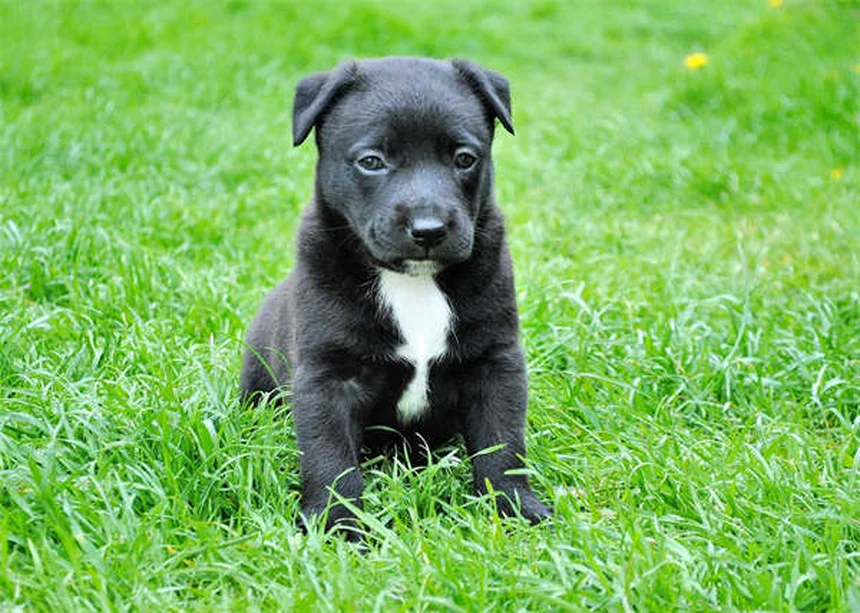
Why is my dog scratching himself constantly? The answer is: your pup could be dealing with fleas, allergies, dry skin, infections, or even stress! As a vet with over a decade of experience, I've seen countless dogs suffer from the itch-scratch cycle, and trust me - you don't want to ignore this problem. That relentless scratching isn't just annoying - it can lead to painful hot spots, infections, and serious discomfort for your furry friend. In this guide, we'll break down the top 5 reasons dogs scratch excessively and give you practical solutions you can try today. Whether it's flea prevention tips or how to spot food allergies, we've got you covered. Let's get your pup some relief!
E.g. :5 Essential Dog Commands for Stress-Free Family Gatherings
- 1、Why Is My Dog Constantly Scratching? Let’s Solve the Mystery!
- 2、How to Help Your Itchy Pup: Action Plan
- 3、Quick Comparison: Common Causes of Dog Scratching
- 4、Final Thoughts: Your Dog’s Comfort Matters
- 5、Beyond the Basics: Digging Deeper Into Canine Itching
- 6、FAQs
Why Is My Dog Constantly Scratching? Let’s Solve the Mystery!
Hey there, fellow dog lover! I’m sure you’ve seen your pup scratching like crazy and thought, “What’s going on with this little guy?” Trust me, you’re not alone. Dogs scratch—it’s normal. But when it becomes excessive, it’s time to play detective. Here’s your ultimate guide to understanding and fixing the itch!
1. Fleas: The Tiny Terrorists
Ever seen your dog suddenly stop, bite his back, and scratch like his life depends on it? That’s often the work of fleas. These tiny pests are like uninvited party crashers, and they love making your dog miserable.
Fleas aren’t just annoying; they can cause serious skin irritation and even allergies. Some dogs are allergic to flea saliva, which means one bite can trigger a full-blown itch fest. Check for tiny black specks (flea dirt) or actual fleas moving around. If you spot them, it’s time for action!
2. Allergies: When Everything Makes Them Itch
Just like us, dogs can be allergic to almost anything—pollen, dust mites, even their food! Allergies are a sneaky culprit because they’re not always obvious. Your dog might scratch his ears, lick his paws, or rub his face on the carpet.
Food allergies often show up as itchy skin, ear infections, or digestive issues. Environmental allergies? Think seasonal flare-ups. If your dog’s scratching gets worse during spring or fall, pollen might be the villain. A vet can help pinpoint the exact cause with tests or an elimination diet.
 Photos provided by pixabay
3. Dry Skin: The Winter Woes
Imagine wearing a wool sweater in the desert—that’s how dry skin feels for your dog. Cold weather, low humidity, or even frequent baths can strip natural oils, leaving their skin flaky and itchy.
Quick fix? Try a humidifier in winter or switch to a moisturizing shampoo. Omega-3 supplements (like fish oil) can also work wonders for their coat and skin. And hey, if your dog’s skin looks like it’s snowing dandruff, it’s time to hydrate!
4. Infections: Bacteria and Yeast Party Crashers
Bacterial or yeast infections love to set up shop in warm, moist areas—like between toes or inside floppy ears. If your dog’s scratching comes with redness, odor, or greasy patches, an infection might be the culprit.
Here’s a fun fact: yeast infections often smell like corn chips. Weird, right? But if your pup’s paws suddenly smell like Fritos, it’s time for a vet visit. Antibiotics or antifungal meds usually clear things up fast.
5. Stress or Boredom: The Mind-Itch Connection
Dogs scratch when they’re stressed or bored—just like we bite our nails. Changes in routine, loneliness, or even a new pet can trigger anxiety-induced itching.
Solution? More playtime, puzzle toys, or even calming supplements. A tired dog is a happy (and less itchy) dog. And if you’ve ever seen your pup scratch after you leave for work, separation anxiety might be the real issue.
How to Help Your Itchy Pup: Action Plan
 Photos provided by pixabay
3. Dry Skin: The Winter Woes
Start by ruling out fleas—check for flea dirt or actual bugs. No fleas? Look for patterns. Does the itching happen after meals? During certain seasons? After baths? Clues matter!
Step 2: Vet Visit for the Win
If home fixes don’t work, your vet can run tests (skin scrapings, blood work, allergy tests) to find the root cause. Don’t wait too long—chronic scratching can lead to infections or hot spots.
Step 3: Prevention Is Key
Keep fleas away with monthly preventatives. Bathe your dog with gentle shampoos, and don’t overdo it. A healthy diet with omega-3s can boost skin health. And hey, mental stimulation is just as important as physical exercise!
Quick Comparison: Common Causes of Dog Scratching
| Cause | Symptoms | Quick Fix |
|---|---|---|
| Fleas | Black specks, biting back/hips | Flea meds, wash bedding |
| Allergies | Itchy ears, paws, face rubbing | Antihistamines, diet change |
| Dry Skin | Flaking, dull coat | Humidifier, fish oil |
| Infections | Redness, odor, greasy skin | Antibiotics/antifungals |
| Stress | Excessive licking/scratching | More exercise, toys |
Final Thoughts: Your Dog’s Comfort Matters
Scratching might seem small, but it can ruin your dog’s quality of life. You’re their hero, and with a little effort, you can solve the itch mystery. Now go give your pup a scratch—the good kind!
Beyond the Basics: Digging Deeper Into Canine Itching
 Photos provided by pixabay
3. Dry Skin: The Winter Woes
Did you know your dog's skin has its own ecosystem? Just like our gut has good bacteria, your pup's skin hosts millions of microorganisms that keep them healthy. When this balance gets disrupted - boom! - itching begins.
Here's something fascinating: studies show urban dogs have different skin bacteria than rural pups. Could city living be making our dogs itchier? Maybe! Try probiotic sprays or supplements to restore that microbial harmony. I've seen dogs go from constant scratching to peaceful naps after just two weeks of probiotic treatment.
Grooming Products: Friend or Foe?
That "fresh scent" shampoo might be causing all the trouble! Many commercial dog shampoos contain harsh chemicals that strip natural oils. Look for pH-balanced formulas specifically made for dogs - their skin is more alkaline than ours.
Ever notice how your dog scratches more after baths? Here's a pro tip: dilute shampoo by 50% with water before applying. And always, always rinse twice as long as you think you should. Leftover shampoo residue is public enemy #1 for sensitive skin.
The Weather Connection You Never Considered
Think pollen is the only seasonal culprit? Think again! Temperature swings affect skin hydration more than we realize. That 40-degree drop between daytime and nighttime? It's like your dog's skin can't decide whether to produce oils or not.
I track my dog's itching patterns with a simple journal. You'd be amazed how often flare-ups coincide with rapid barometric pressure changes. On stormy days, we do coconut oil massages - it's our little weather-proofing ritual!
Table: Urban vs. Rural Dog Skin Health Factors
| Factor | Urban Dogs | Rural Dogs |
|---|---|---|
| Air Pollution Exposure | High | Low |
| Pesticide Contact | Lawn chemicals | Farm fertilizers |
| Walking Surfaces | Hot pavement | Natural terrain |
| Stress Levels | Constant noise | Calmer environment |
Could Your Home Be the Problem?
Here's a question that'll make you look around: When was the last time you cleaned your air vents? Dust mites and mold spores circulating through your HVAC system could be triggering your dog's allergies without you realizing it.
I learned this the hard way when my golden retriever kept scratching despite flea treatment. Turns out our ancient carpet was harboring enough dust mites to supply a science lab! We switched to hardwood floors and saw improvement in three weeks.
The Emotional Side of Scratching
Dogs don't just scratch from physical causes - emotions play a huge role. Have you noticed your dog scratching more when you're stressed? They pick up on our energy! It's like they're saying, "Hey human, if you're gonna freak out, I might as well join in!"
Try this experiment: for one week, whenever you feel anxious, instead of reaching for your phone, give your dog a 5-minute massage. You'll both feel better, and you might just break the stress-scratch cycle. It worked for me and my nervous rescue pup!
Modern Solutions From Ancient Wisdom
Before rushing to meds, consider these time-tested remedies: oatmeal baths (grind plain oats into powder), aloe vera gel (100% pure), or chamomile tea rinses. My grandma's recipe? Equal parts apple cider vinegar and water as a post-bath spritz - the old-school pH balancer!
But here's the kicker: these natural solutions often work better when combined with modern diagnostics. Last month, I used an oatmeal soak while waiting for allergy test results - gave my pup temporary relief without interfering with the vet's work.
When to Consider Seeing a Specialist
If your dog's been itching for months despite your best efforts, it might be time for a veterinary dermatologist. These skin detectives have tools like:
- Intradermal allergy testing (like a scratch test for dogs)
- Advanced skin scrapings that detect elusive mites
- Custom immunotherapy plans
I resisted seeing a specialist for years, thinking it was overkill. Big mistake! One visit identified a rare yeast strain that regular vets kept missing. Sometimes you need that expert eye to solve stubborn cases.
The Future of Itch Relief
Exciting new treatments are emerging: monoclonal antibody therapy (Cytopoint) stops itch signals at the source, while microbiome transplants show promise for chronic skin conditions. Who knew dog skincare could get so high-tech?
My local vet clinic now offers "itch packages" combining traditional care with alternative therapies. Their most popular? Acupuncture plus probiotic supplements. Clients report 70% reduction in scratching within a month. The future looks scratch-free!
E.g. :5 Common Reasons Your Dog is Scratching Himself | PetMD
FAQs
Q: How can I tell if fleas are causing my dog's scratching?
A: Fleas are public enemy #1 when it comes to dog itching! Here's how to spot them: look for tiny black pepper-like specks (flea dirt) especially around the tail base and belly. When wet, these specks turn reddish-brown because they're actually flea poop containing digested blood. You might also see actual fleas scurrying through your dog's fur - they're about the size of sesame seeds and move fast. Some dogs develop flea allergy dermatitis, where just one bite causes extreme itching. If you suspect fleas, treat your dog and your home - these pests can live in carpets and bedding for months!
Q: What are the most common food allergies that make dogs itch?
A: Chicken, beef, dairy, wheat, and eggs top the list of food allergens for dogs. Unlike environmental allergies that come and go, food allergies cause year-round itching - especially around the ears, paws, and rear end. Many owners don't realize their dog's "normal" scratching is actually an allergy! The gold standard test? An 8-12 week elimination diet using novel proteins like venison or duck. I've seen dogs completely transform after switching foods - less scratching, shinier coats, and way more energy. Just remember - food trials require strict adherence, no cheating with treats!
Q: Can frequent baths make my dog's itching worse?
A: Absolutely! While baths seem helpful, over-washing strips protective oils from your dog's skin. Most dogs only need bathing every 4-6 weeks unless they get into something stinky. Always use a gentle, moisturizing dog shampoo - human shampoos are too harsh. After bathing, look for signs you're overdoing it: excessive flaking, redness, or increased scratching. Pro tip: add omega-3 supplements to your dog's diet to help rebuild their skin barrier. For quick relief between baths, try a leave-in conditioner spray made for dogs.
Q: Why does my dog scratch more at night?
A: Nighttime scratching often points to environmental allergies or stress. During the day, distractions like walks and playtime can mask itching. At night when things quiet down, the itch sensation becomes more noticeable. Dust mites in bedding are a common nighttime trigger - wash your dog's bed weekly in hot water. Anxiety can also cause nighttime scratching - try calming supplements or a Thundershirt. If your dog wakes you up scratching, it's time for a vet visit to rule out medical causes.
Q: When should I take my scratching dog to the vet?
A: Don't wait if you see these red flags: open sores, hair loss, strong odor, or excessive head shaking. These could signal infections needing medication. Also seek help if home remedies haven't helped within 1-2 weeks, or if scratching interferes with sleep/eating. Chronic itching can spiral into serious skin damage - the sooner we identify the cause, the faster your pup gets relief. Bring notes about when the itching started, any pattern you've noticed, and what you've tried. Photos of your dog's skin can also help your vet spot clues!